Why Particle Classification Is Important in Powder Manufacturing
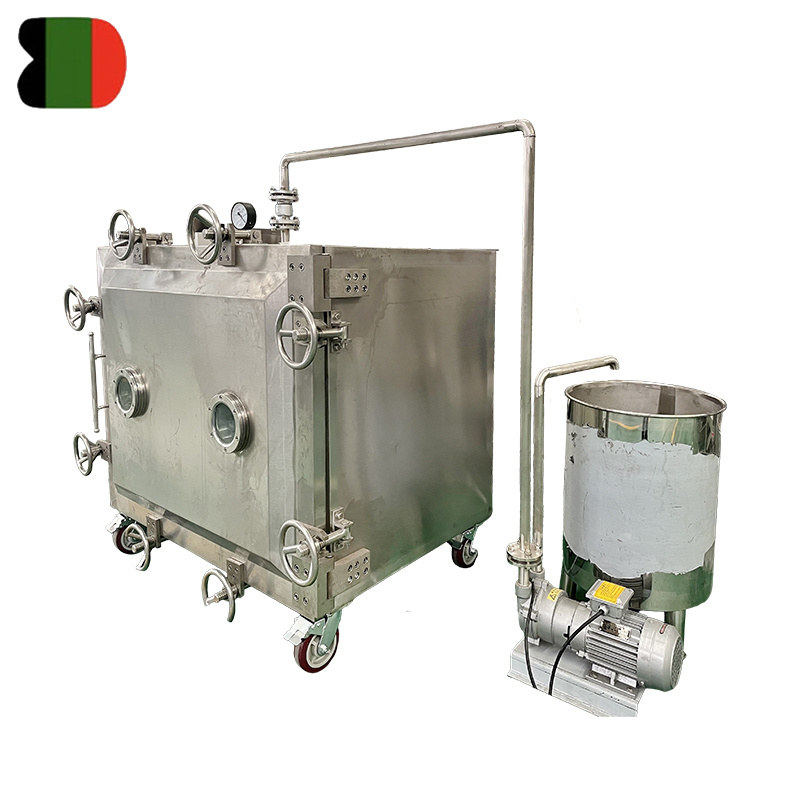
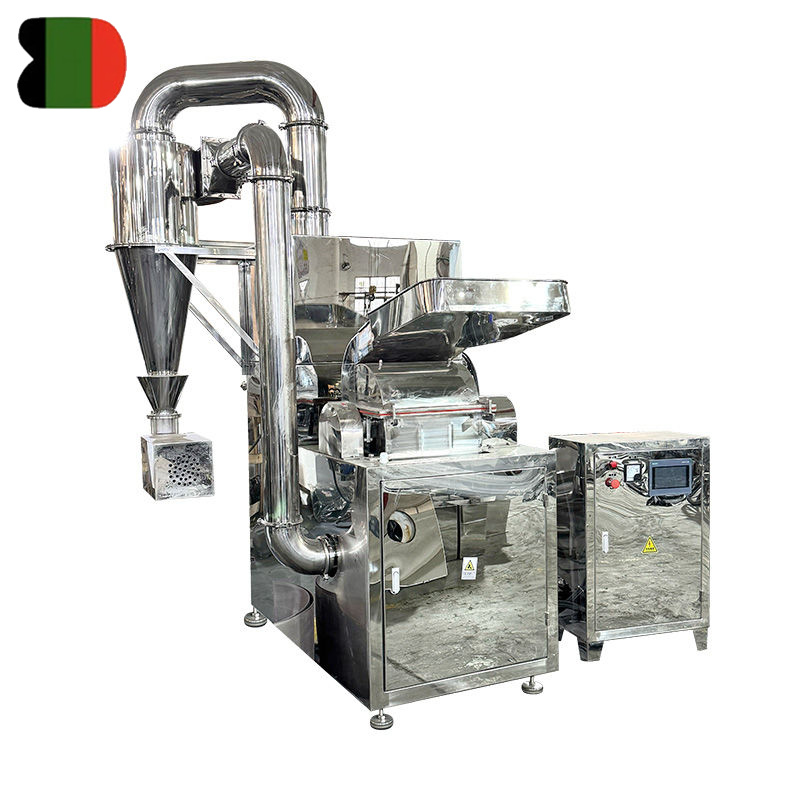
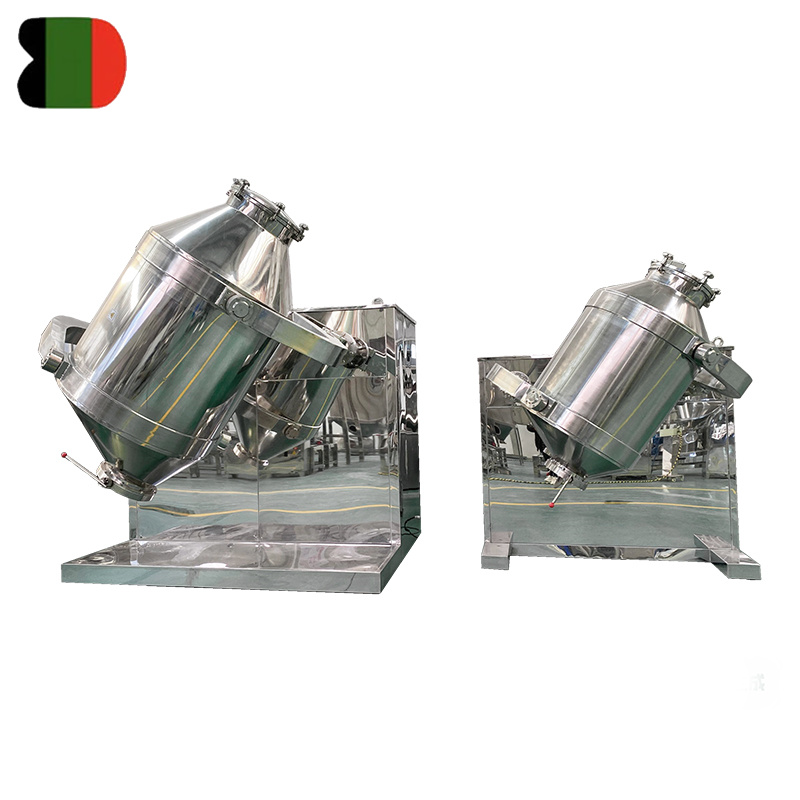
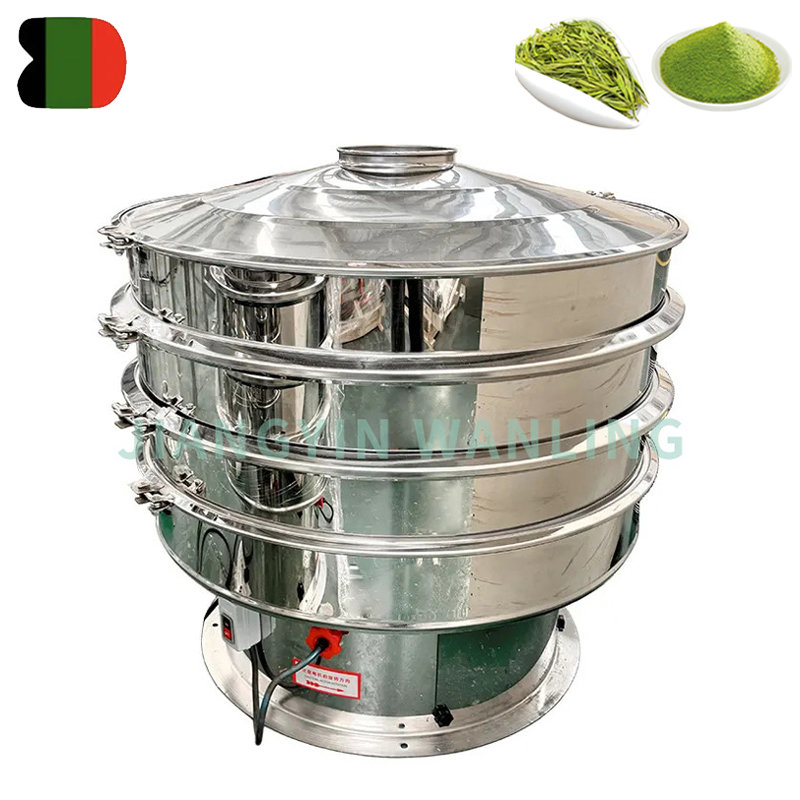
Particle classification is an essential stage in modern powder manufacturing because particle size directly affects product quality, processing efficiency, and final product performance. Whether producing food powders, pharmaceutical materials, chemical products, or spices, manufacturers need reliable control over particle size to achieve consistent results. Jiangyin Wanling International Co., Ltd. provides sifting, screening, grinding, mixing, and other processing equipment that can be integrated into customized powder production lines.
Why Particle Classification Matters in Powder Manufacturing
Particle classification separates powder materials according to particle size and helps manufacturers remove oversized or undersized particles. Without effective classification, inconsistent particle sizes can cause uneven mixing, poor flowability, irregular drying, and unstable final products. Proper screening creates a more uniform material stream and improves the performance of subsequent production processes.
1. Improving Particle Size Consistency
One of the main purposes of particle classification is to achieve a controlled particle size distribution.
Key applications:
Food powder processing
Pharmaceutical powder production
Chemical material processing
Spice manufacturing
Main benefits:
More consistent particle size
Better product appearance
Improved processing stability
Reduced product variation
By separating particles accurately, manufacturers can maintain more consistent specifications across different production batches.
2. Enhancing Grinding Efficiency
Particle classification works closely with crushing and grinding equipment. During grinding, some materials may reach the required fineness while others remain oversized. A sifting or screening system can separate these particles and return unsuitable material for further processing.
Typical workflow:
Raw material feeding
Crushing
Fine grinding
Particle classification
Recycling of oversized particles
Final powder collection
This approach improves grinding efficiency and reduces the risk of excessive processing.
3. Supporting Uniform Powder Mixing
Particle size has a significant effect on powder blending. Materials with very different particle sizes or densities may separate during transportation or mixing.
Key advantages of classification:
Better ingredient distribution
More stable powder mixtures
Reduced segregation
Improved formulation consistency
Properly classified materials provide better conditions for industrial mixing and help manufacturers produce more uniform formulations.
4. Food and Spice Processing Applications
Food and spice manufacturers rely on particle classification to achieve consistent texture and appearance.
Typical products:
Chili powder
Pepper powder
Herbal powders
Seasoning blends
Food additives
Benefits:
Consistent powder fineness
Improved texture
Better flavor distribution
Enhanced product presentation
Wanling can integrate grinding, sifting, mixing, and conveying equipment to create a continuous processing workflow.
5. Pharmaceutical and Chemical Applications
Particle classification is particularly important in pharmaceutical and chemical manufacturing, where particle size can influence material behavior and product performance.
Typical applications:
Pharmaceutical powders
Granule processing
Chemical additives
Industrial powders
Key advantages:
Controlled particle distribution
Improved material flow
Better formulation consistency
Reliable downstream processing
Accurate classification helps manufacturers maintain stable production conditions and meet product specifications.
What Makes Wanling's Classification Solutions Different?
Core strengths:
Industrial sifting and screening equipment
Customized powder processing solutions
Integration with crushing and grinding systems
Mixing and conveying line integration
Professional engineering support
Jiangyin Wanling International Co., Ltd. develops customized production lines according to material characteristics, required particle size, production capacity, and factory layout. This integrated approach allows manufacturers to connect particle classification with other processing stages efficiently.
FAQ
What is particle classification?
Particle classification is the process of separating powder or granular materials according to particle size to achieve a controlled size distribution.
Why is particle size important in powder manufacturing?
Particle size can affect mixing, flowability, drying, packaging, appearance, and the overall performance of the finished product.
Can classification equipment be integrated into a complete production line?
Yes. Wanling can integrate sifting and screening equipment with crushing, grinding, mixing, drying, conveying, granulating, and packing systems according to customer requirements.
Conclusion
Particle classification plays a fundamental role in producing consistent and high-quality powders. By controlling particle size and removing unsuitable particles, manufacturers can improve grinding efficiency, mixing uniformity, material flow, and downstream processing performance. Jiangyin Wanling International Co., Ltd. provides customized powder processing machinery and complete production line solutions to help food, pharmaceutical, chemical, and spice manufacturers achieve efficient and reliable production.