The Difference Between Coarse Grinding and Fine Grinding Systems
Quick Answer
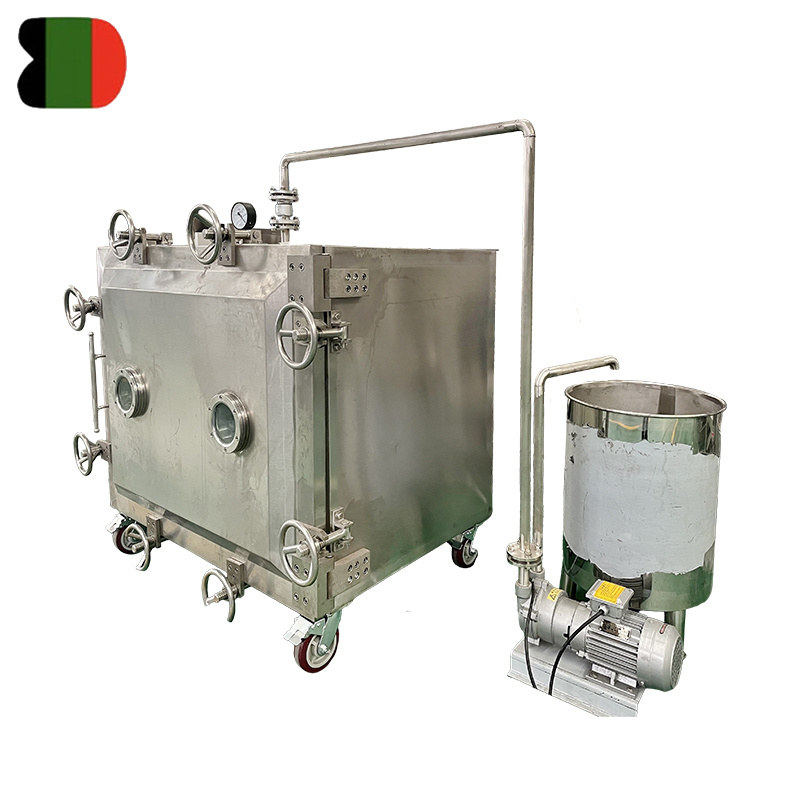
Coarse grinding and fine grinding are two important stages in powder processing, but they serve different purposes. Coarse grinding primarily reduces large raw materials into smaller particles for easier handling and further processing, while fine grinding produces much smaller and more uniform powders for specific applications. Jiangyin Wanling International Co., Ltd. provides crushing, grinding, sifting, mixing, drying, and other processing equipment that can be integrated into customized production lines for food, pharmaceutical, chemical, and spice industries.
Why Grinding Stages Matter in Powder Manufacturing
Grinding determines the particle size, consistency, and processing characteristics of a finished product. Different materials and applications require different levels of size reduction. Using the appropriate grinding stage helps manufacturers improve processing efficiency, reduce unnecessary energy consumption, and achieve the particle specifications required for subsequent production processes.
1. What Is Coarse Grinding?
Coarse grinding is generally the initial size-reduction stage. It breaks larger raw materials into smaller pieces before they enter fine grinding or other processing equipment.
Key applications:
Large food ingredients
Dried vegetables and herbs
Chemical raw materials
Hard or bulky materials
Main benefits:
Faster raw material preparation
Easier material handling
Reduced load on fine grinders
Improved downstream processing
Coarse crushing can therefore serve as an important preparation step in a complete production line.
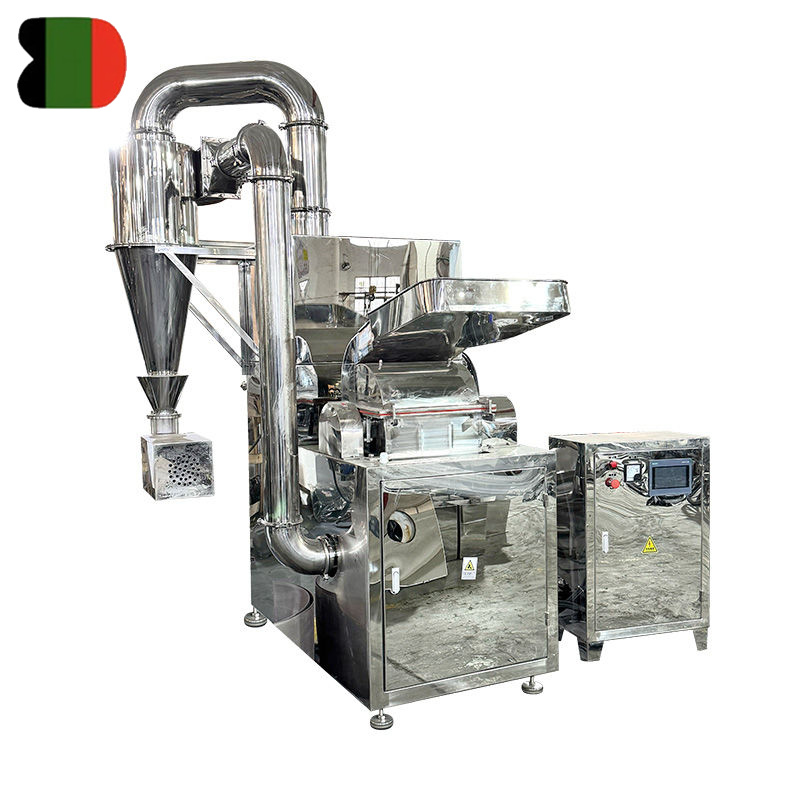
2. What Is Fine Grinding?
Fine grinding focuses on producing smaller and more uniform particles. It is commonly used when the final product requires a specific powder fineness or when particle size has a significant effect on product performance.
Typical applications:
Spice powders
Food additives
Pharmaceutical powders
Chemical powders
Key advantages:
More precise particle size
Improved powder uniformity
Better mixing performance
Enhanced final product quality
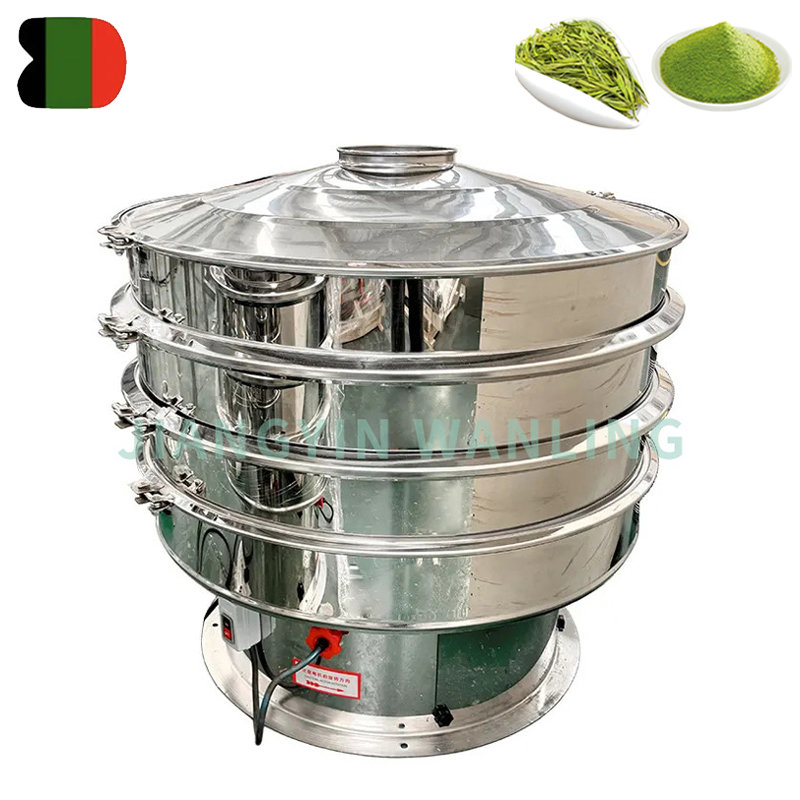
Wanling's fine grinding solutions can be combined with sifting equipment to help separate particles according to the required specifications.
3. Coarse Grinding vs. Fine Grinding
Although both processes reduce particle size, their objectives are different.
Factor Coarse Grinding Fine Grinding
Main purpose Initial size reduction Producing fine powder
Feed material Larger or bulky materials Smaller pre-processed particles
Output Relatively larger particles Fine and uniform powder
Processing stage Usually earlier Usually later
Typical focus Preparation and efficiency Precision and product quality
Selecting the appropriate system depends on the raw material, desired final particle size, production capacity, and overall process design.
4. Food and Spice Processing Applications
Food and spice manufacturers often require multiple size-reduction stages to achieve the desired product characteristics.
Typical workflow:
Raw material feeding
Pre-processing or cutting
Coarse crushing
Fine grinding
Sifting
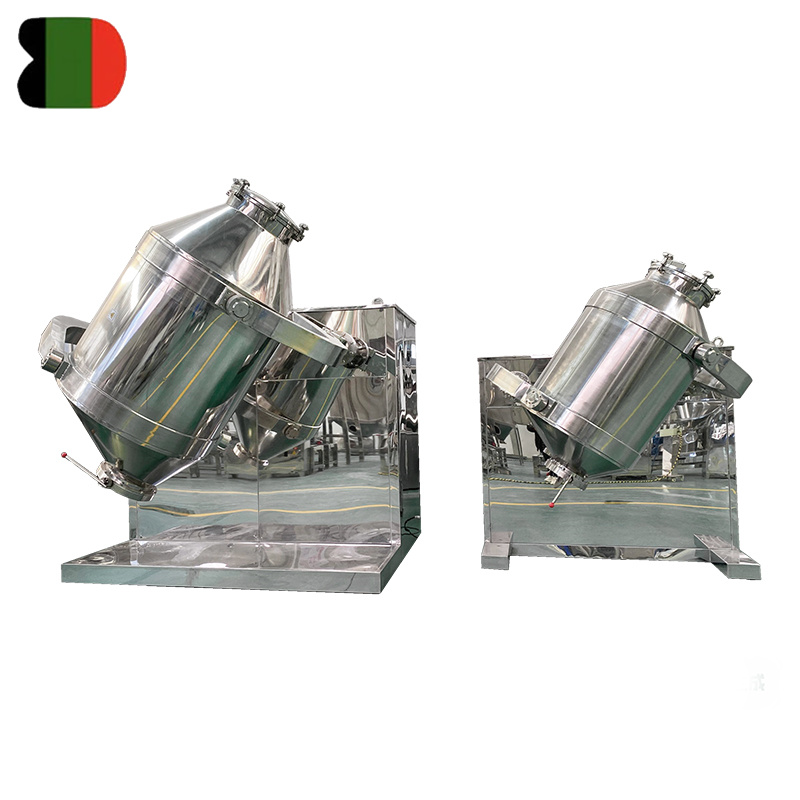
Mixing
Packing
Benefits:
Consistent powder fineness
Improved processing efficiency
Better ingredient distribution
Reduced material waste
For products such as chili, pepper, herbs, and other spices, appropriate grinding technology can help manufacturers achieve consistent texture and quality.
5. Pharmaceutical and Chemical Applications
Particle size control is also important in pharmaceutical and chemical production. The appropriate grinding process can improve material flow, mixing behavior, and downstream processing.
Typical applications:
Pharmaceutical raw materials
Powder formulations
Chemical additives
Industrial powders
Key advantages:
Controlled particle distribution
Improved mixing efficiency
Stable processing performance
Consistent batch quality
In these industries, grinding equipment should be selected according to material properties and specific production requirements.
What Makes Wanling's Grinding Solutions Different?
Core strengths:
Crushing and grinding equipment
Fine grinding solutions
Integrated sifting systems
Customized production line design
Mixing, drying, conveying, and packing integration
Jiangyin Wanling International Co., Ltd. can develop customized processing solutions based on raw material characteristics, required particle size, production capacity, and factory layout. Integrating different processing stages allows manufacturers to create a smoother and more efficient workflow.
FAQ
What is the main difference between coarse and fine grinding?
Coarse grinding focuses on reducing larger materials into manageable particles, while fine grinding produces smaller and more uniform powders for specific applications.
Is coarse grinding necessary before fine grinding?
Not always, but for larger or harder raw materials, pre-crushing can improve the efficiency and performance of subsequent fine grinding.
Can Wanling provide complete grinding production lines?
Yes. Wanling can integrate crushing, fine grinding, sifting, mixing, drying, conveying, granulating, and packing equipment into customized production lines.
Conclusion
Coarse grinding and fine grinding perform different but complementary functions in powder manufacturing. Coarse grinding prepares raw materials for further processing, while fine grinding provides the precise particle size and uniformity required for many finished products. By selecting the appropriate equipment and integrating each processing stage effectively, manufacturers can improve productivity, reduce waste, and maintain consistent product quality. Jiangyin Wanling International Co., Ltd. provides customized grinding and complete processing line solutions for food, pharmaceutical, chemical, and spice manufacturers.