The Future of Food Processing Machinery: Trends and Innovations in 2026
As global demand for safe, efficient, and sustainable food production continues to rise, the food processing machinery industry is undergoing rapid innovation. By 2026, technological advancements are no longer optional — they are essential drivers of competitiveness, quality, and operational efficiency. Manufacturers and food processors alike are embracing new trends that reshape how raw ingredients become finished products. From intelligent automation to energy-efficient systems, the future of food processing machinery promises remarkable transformations that will benefit producers and consumers around the world.
One of the most significant trends shaping the future is the widespread adoption of automation and smart manufacturing. Traditional production lines that rely heavily on manual operations cannot match the consistency, speed, and accuracy of automated systems. Smart machinery equipped with sensors, real-time monitoring, and programmable logic controllers allows food processors to precisely adjust parameters like speed, temperature, and moisture content. These capabilities improve product uniformity while reducing human error, waste, and production costs — enabling manufacturers to scale with confidence.
Data connectivity and the Industrial Internet of Things (IIoT) will also play a crucial role in 2026. Modern food processing equipment is increasingly connected to digital networks that gather continuous performance data. This connectivity enables predictive maintenance, where machines alert operators to potential issues before breakdowns occur. As a result, unplanned downtime is minimized, production schedules become more reliable, and long-term maintenance costs are reduced. The insights gained from data analytics also support process optimization and quality control, providing manufacturers with a competitive edge.
Another defining trend is the growing importance of flexibility and modular design. Consumer preferences change rapidly, especially for specialty foods, plant-based products, and customized blends. Unlike traditional fixed setups, modular machinery allows manufacturers to reconfigure production lines quickly to accommodate new products or batch sizes. For food processors, this translates to faster time-to-market and better responsiveness to market trends without significant capital investment.
Sustainability is no longer a future concept — it is a present requirement. In 2026, energy efficiency and reduced environmental impact are central to machinery innovation. Food processing equipment is being engineered to lower energy consumption, recover waste heat, and optimize material utilization. By minimizing resource waste and operating efficiently, manufacturers can not only reduce production costs but also improve compliance with environmental standards and satisfy consumer expectations for eco-friendly products.
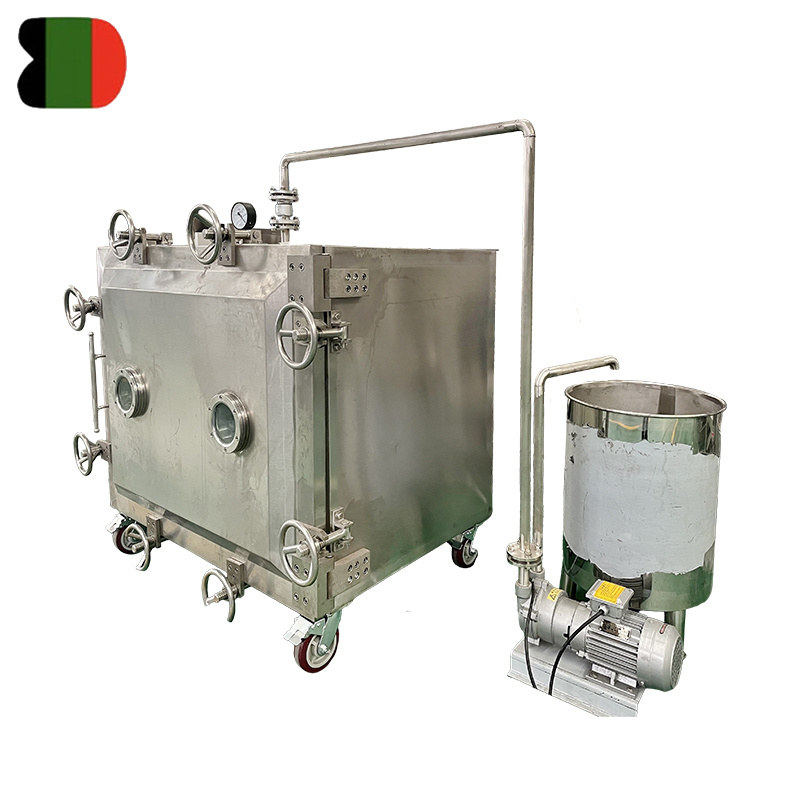
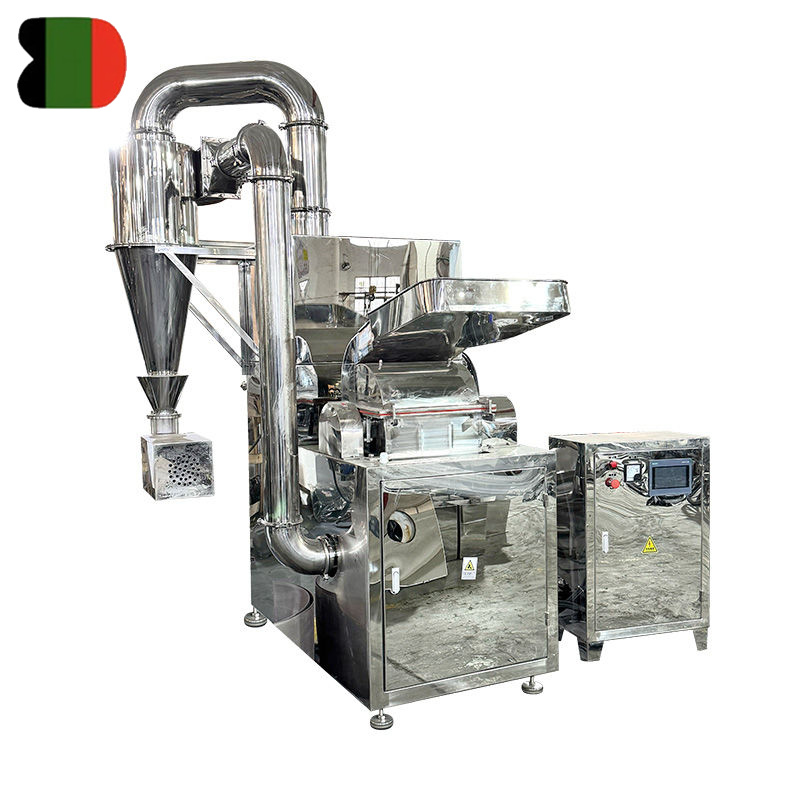
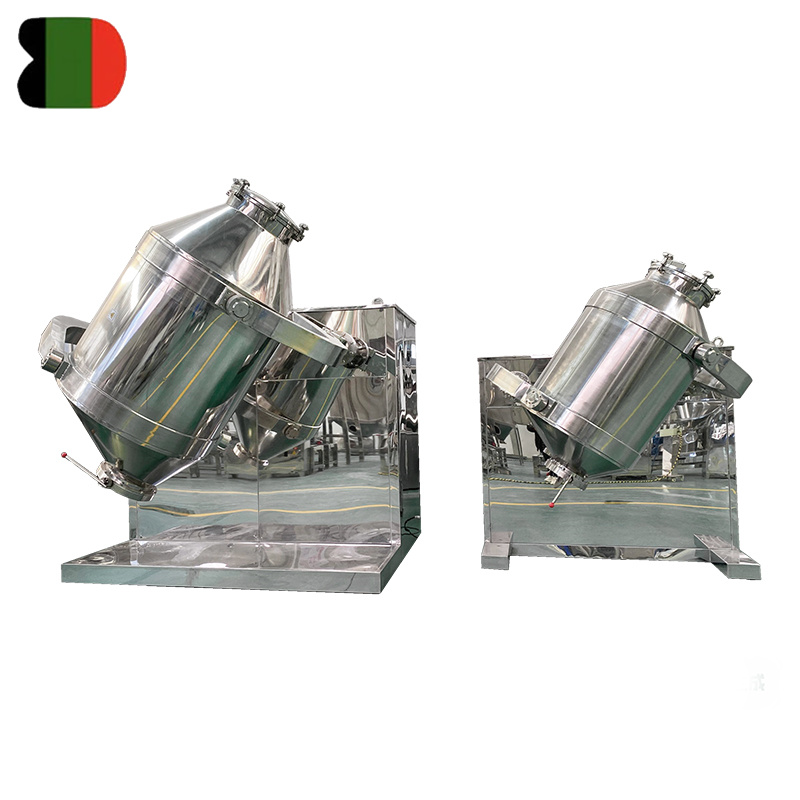
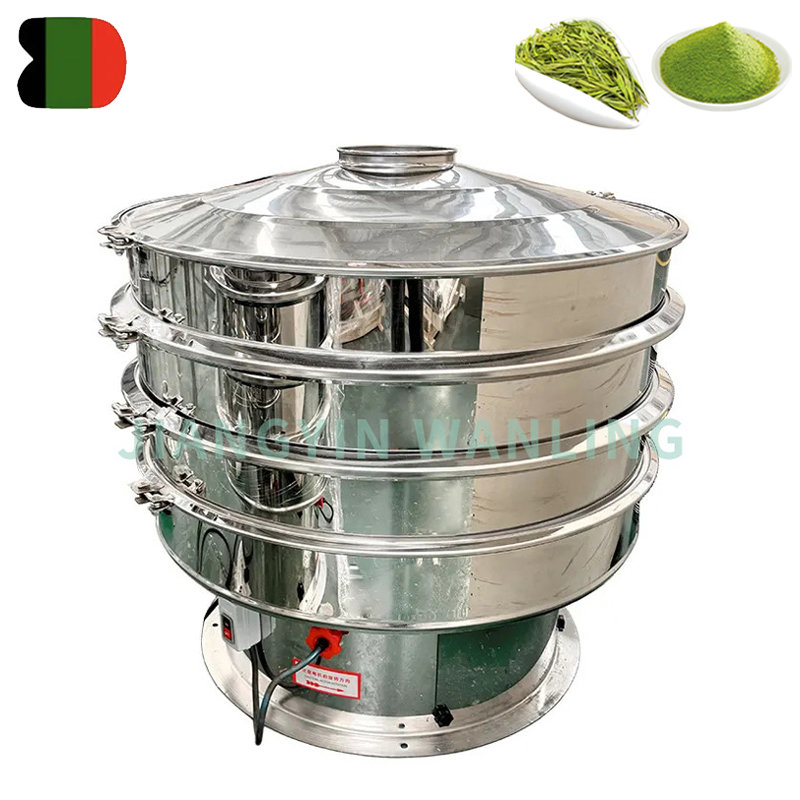
Advanced material handling and processing technologies are also redefining quality standards. Precision crushing, grinding, mixing, and drying technologies ensure that particle size, texture, and moisture content are consistently controlled. These innovations are critical for product quality, especially in sectors such as pharmaceuticals, spices, seasonings, and nutritional food products. Enhanced processing quality leads to better flavor distribution, improved shelf life, and higher product stability — all vital factors for brand reputation and consumer satisfaction.
Artificial intelligence (AI) and machine learning are emerging as powerful tools for food processing optimization. AI systems can analyze vast amounts of process data to identify inefficiencies, predict quality deviations, and recommend operational adjustments in real time. Over time, these systems become more accurate, enabling food processors to achieve levels of precision and consistency that were previously unattainable with manual or traditional control methods.
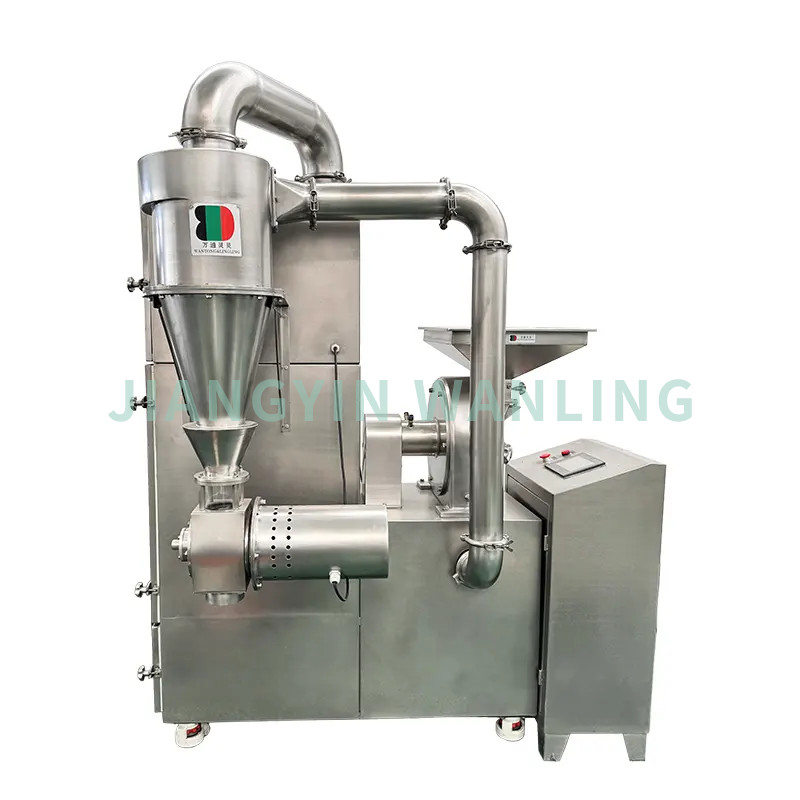
Hygiene and sanitation are also receiving renewed focus. Innovative designs that prioritize cleanability and contamination prevention are essential in highly regulated industries like food and pharmaceuticals. Machines with smooth surfaces, easy disassembly, and CIP (Clean-In-Place) capabilities reduce downtime between product runs and support strict food safety standards. As regulations evolve, machinery that enables rapid sanitation without compromising production efficiency will become increasingly valuable.
Integration between upstream and downstream equipment is another innovation trend. Seamless communication between crushing, mixing, drying, granulating, packing, and conveyor systems improves workflow efficiency and reduces material loss. Integrated systems ensure that each stage of the production line operates in harmony, resulting in smoother operations, higher throughput, and better overall production performance.
Finally, customization remains a critical factor for future success. Whether manufacturers produce food, pharmaceutical powders, or specialty spice blends, one-size-fits-all equipment rarely meets specific process needs. Customized production lines — tailored in capacity, configuration, and functionality — help maximize operational efficiency and product quality. These bespoke solutions enable companies to remain agile while meeting their unique processing goals.
As we move into 2026, the food processing machinery landscape is defined by innovation, agility, sustainability, and intelligence. Forward-thinking manufacturers who embrace these trends will not only improve efficiency and product quality but also position themselves to meet tomorrow’s challenges with confidence. The future of food processing machinery is here — and it is transforming the way products are made, distributed, and enjoyed around the world.