The Future of Food Processing Machinery: Trends and Innovations in 2026
As the global food industry continues to evolve, innovation in food processing machinery remains a key driver of quality, efficiency, sustainability, and competitiveness. In 2026, manufacturers are adopting transformative technologies that go beyond incremental improvements — reshaping entire production lines and redefining how food products are made. From advanced automation and AI integration to sustainability and customization, the future of food processing machinery is both dynamic and opportunity-rich. One major trend shaping the industry is intelligent automation and robotics. Automated systems have moved beyond simple mechanization to smart manufacturing environments where robots and intelligent machines handle complex operations. These systems reduce reliance on manual labor, minimize human error, and improve repeatability. Food processors can now monitor and control production parameters with digital precision, enabling consistent quality output across every batch while freeing human operators to focus on higher-level tasks.
Closely linked with automation is the rise of Artificial Intelligence (AI) and machine learning in processing systems. AI-enabled machinery collects and analyzes vast amounts of real-time data to optimize performance, predict equipment issues, and improve process control. With machine learning algorithms continuously learning from production results, systems can automatically adjust mixing times, drying temperatures, or grinding speeds to ensure optimal conditions. This level of adaptive control enhances product uniformity and reduces waste. The Industrial Internet of Things (IIoT) continues to transform food processing facilities into interconnected networks of smart devices. Equipment embedded with sensors and cloud-based analytics provides end-to-end visibility of the production process. Manufacturers can track performance metrics, detect inefficiencies, and implement predictive maintenance strategies to avoid unplanned downtime. IIoT integration increases transparency, enhances quality control, and boosts overall equipment effectiveness (OEE).
In 2026, sustainability is no longer an optional goal — it is a core requirement. Green processing technologies and energy-efficient machinery are becoming standard expectations in food production. New equipment designs emphasize reduced power consumption, minimal water use, and optimized heat recovery systems. By improving energy efficiency and lowering resource waste, food processors can achieve both cost savings and environmental compliance, aligning operations with global sustainability goals. Another defining trend is the growth of modular and flexible production systems. Consumer demand is shifting rapidly toward customized products, smaller batch runs, and diverse formulations. Traditional fixed production lines struggle to adapt quickly to changing requirements. Modular systems solve this challenge by enabling reconfiguration of machinery modules to support different products or capacities with minimal downtime. As a result, manufacturers can scale production or pivot product lines without major capital investments.
Hygienic and sanitary design innovations are also central to the future of food processing machinery. With increasing regulatory scrutiny and consumer expectations for food safety, equipment must be easier to clean, sanitize, and maintain. New hygienic designs incorporate smooth, crevice-free surfaces, automated Clean-In-Place (CIP) systems, and materials resistant to corrosion and contamination. These improvements reduce the risk of microbial contamination and support compliance with stringent food safety standards. Customization and bespoke solutions remain vital in 2026. Unlike one-size-fits-all machines, customized production lines are engineered specifically for a company’s products, processes, and facility layout. Tailored designs offer optimized material flow, harmonized capacities between stages, and precise control over critical parameters. Customized systems help manufacturers maximize efficiency, improve product quality, and reduce operational bottlenecks.
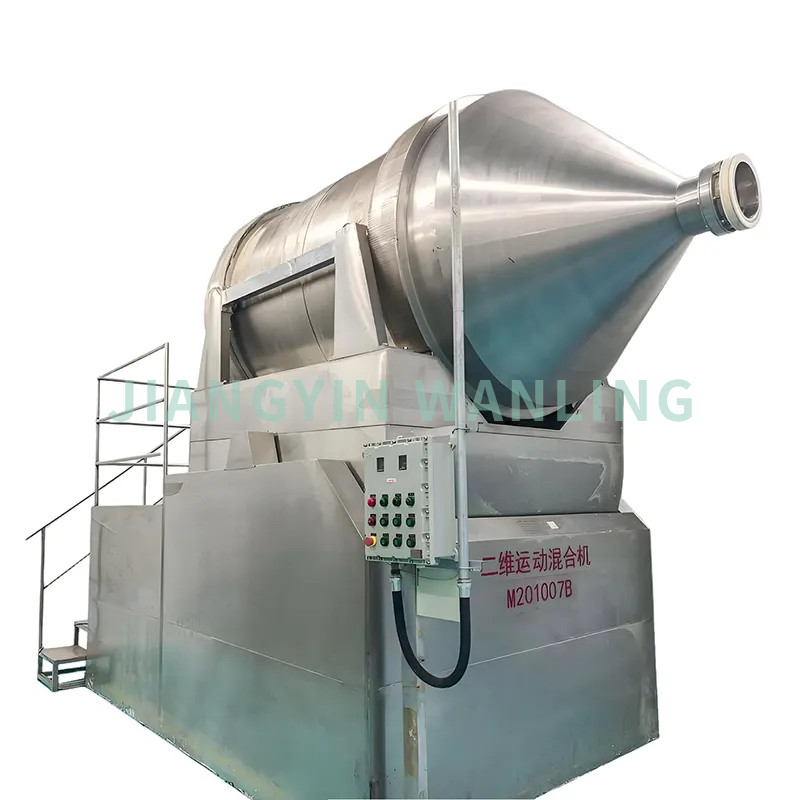
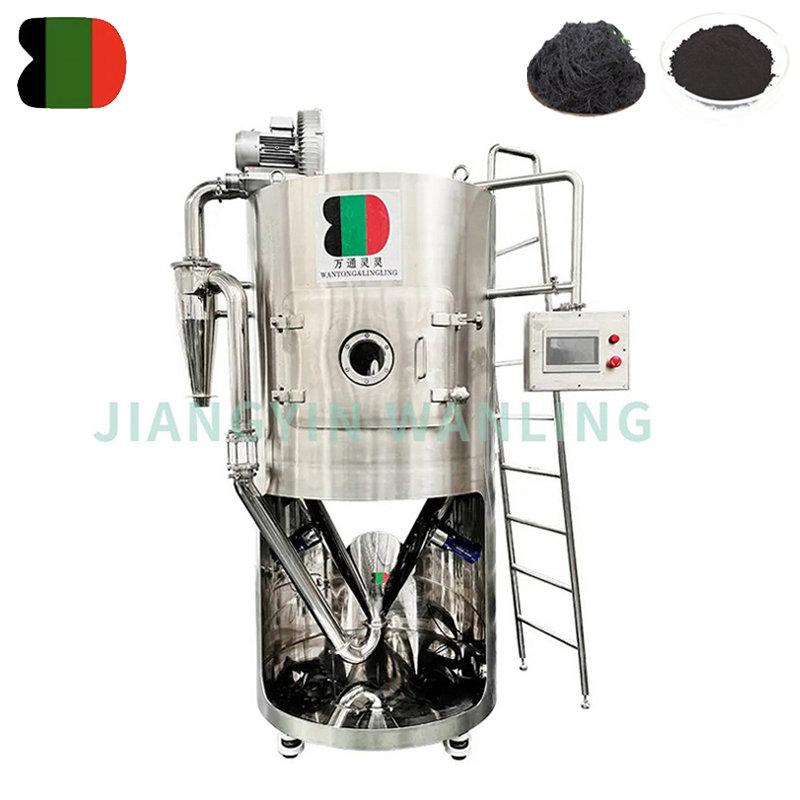
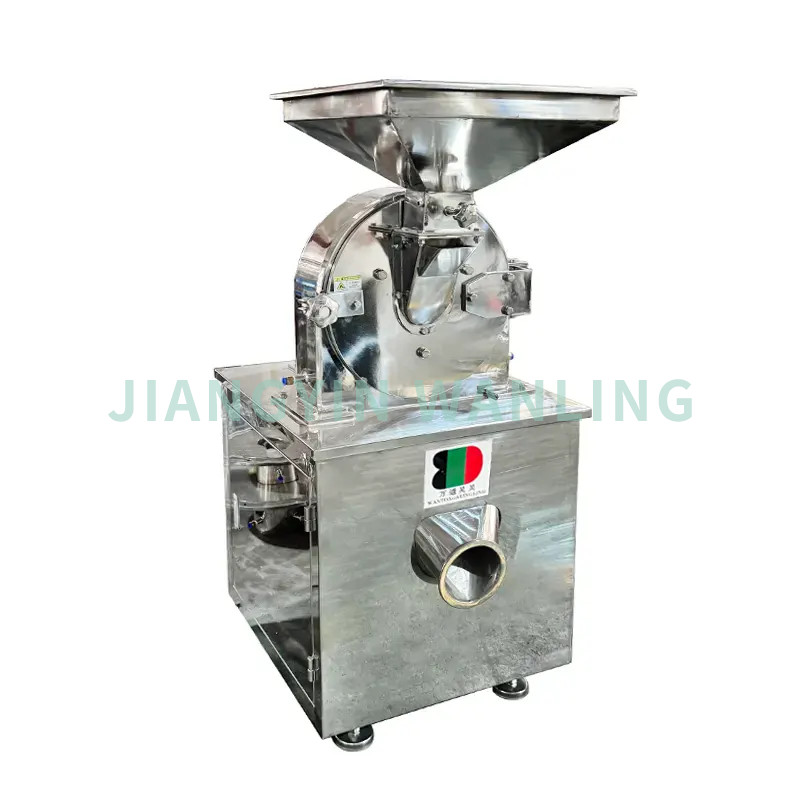
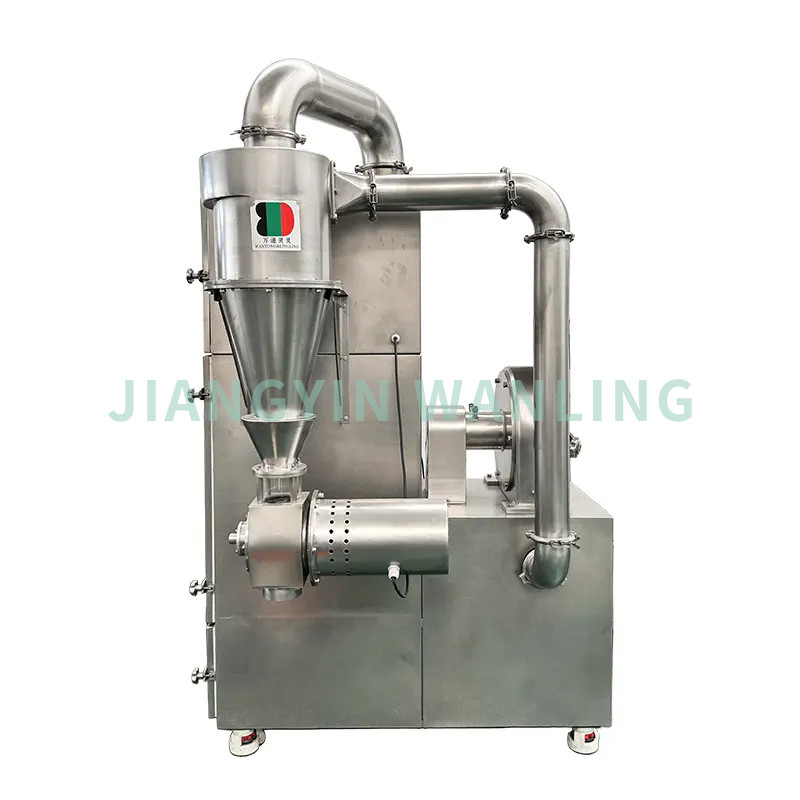
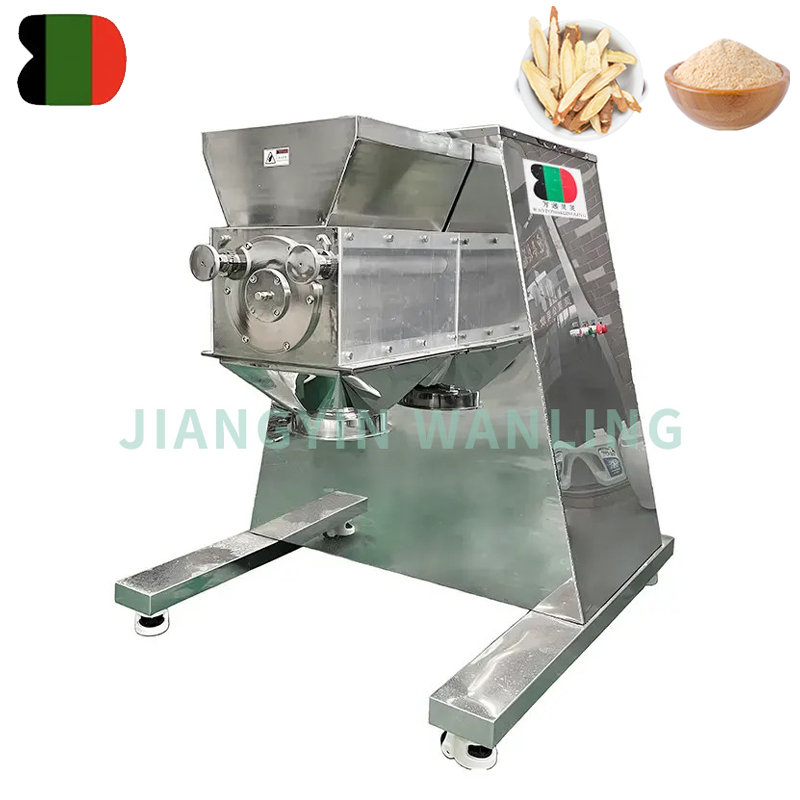
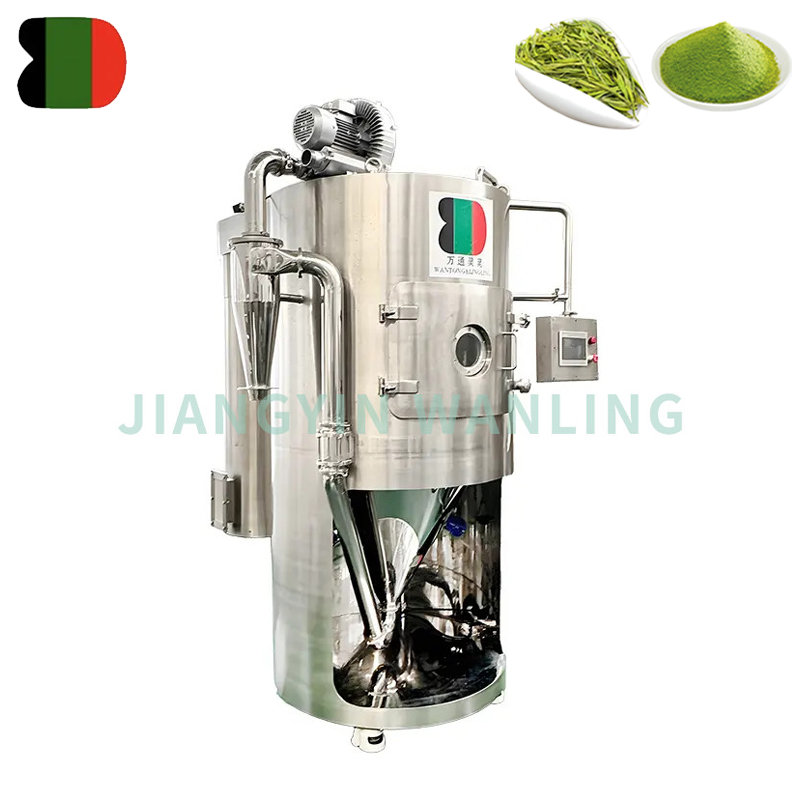
The use of advanced material processing technologies is another innovation trend. High-precision crushing, fine grinding, uniform mixing, and advanced drying systems help manufacturers achieve consistent physical characteristics, enhanced solubility, and improved flavor profiles. Such process-specific innovations are particularly important for sensitive products where texture and functional properties determine end-user satisfaction. As digital transformation accelerates, virtual commissioning and simulation tools are becoming more common. These technologies allow manufacturers to model, test, and optimize production lines before physical installation. By simulating different scenarios and configurations, companies can identify potential inefficiencies and reduce installation risks — saving time and capital.
Finally, collaborative partnerships between machinery manufacturers and food producers are shaping future innovations. As industry needs grow more complex, successful solutions increasingly arise from close collaboration. When manufacturers like Jiangyin Wanling work directly with food processors to understand their challenges, the result is smarter, more reliable, and more effective equipment tailored to real-world production demands. In 2026, the future of food processing machinery is defined by intelligence, adaptability, sustainability, and precision. By embracing these trends and innovations, food manufacturers can improve efficiency, ensure product quality, reduce costs, and stay ahead in a rapidly changing marketplace. The machinery of tomorrow is not just about processing food — it’s about empowering producers to achieve excellence at every step of the production journey.