How to Maintain and Extend the Lifespan of Industrial Processing Equipment
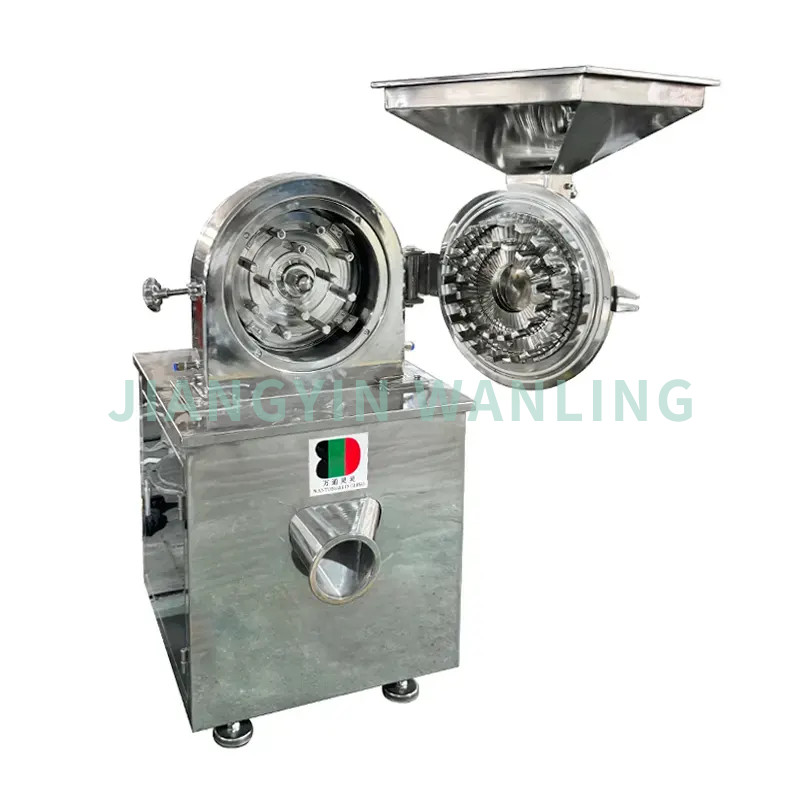
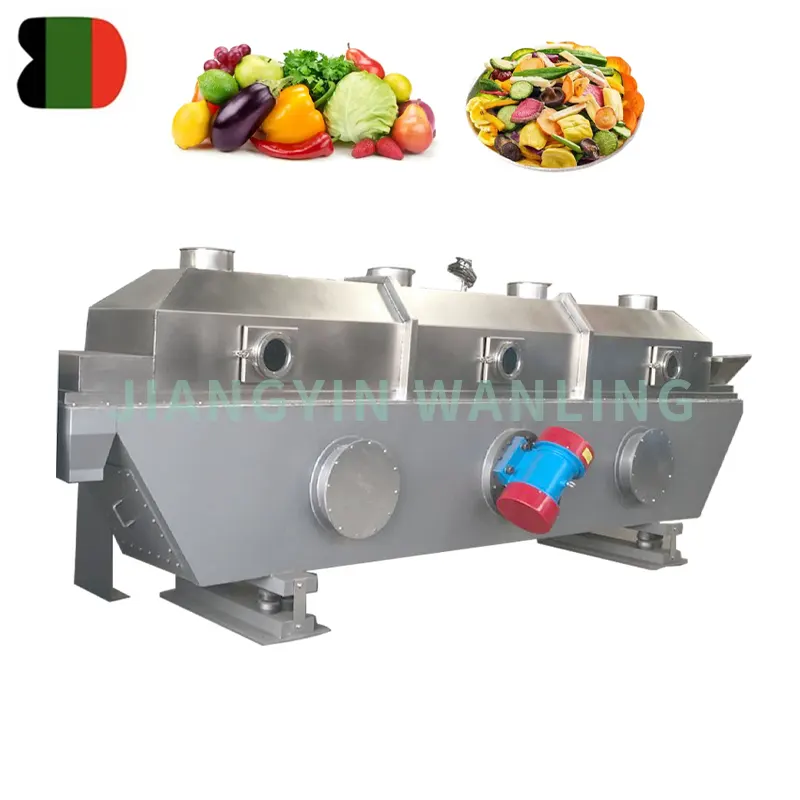
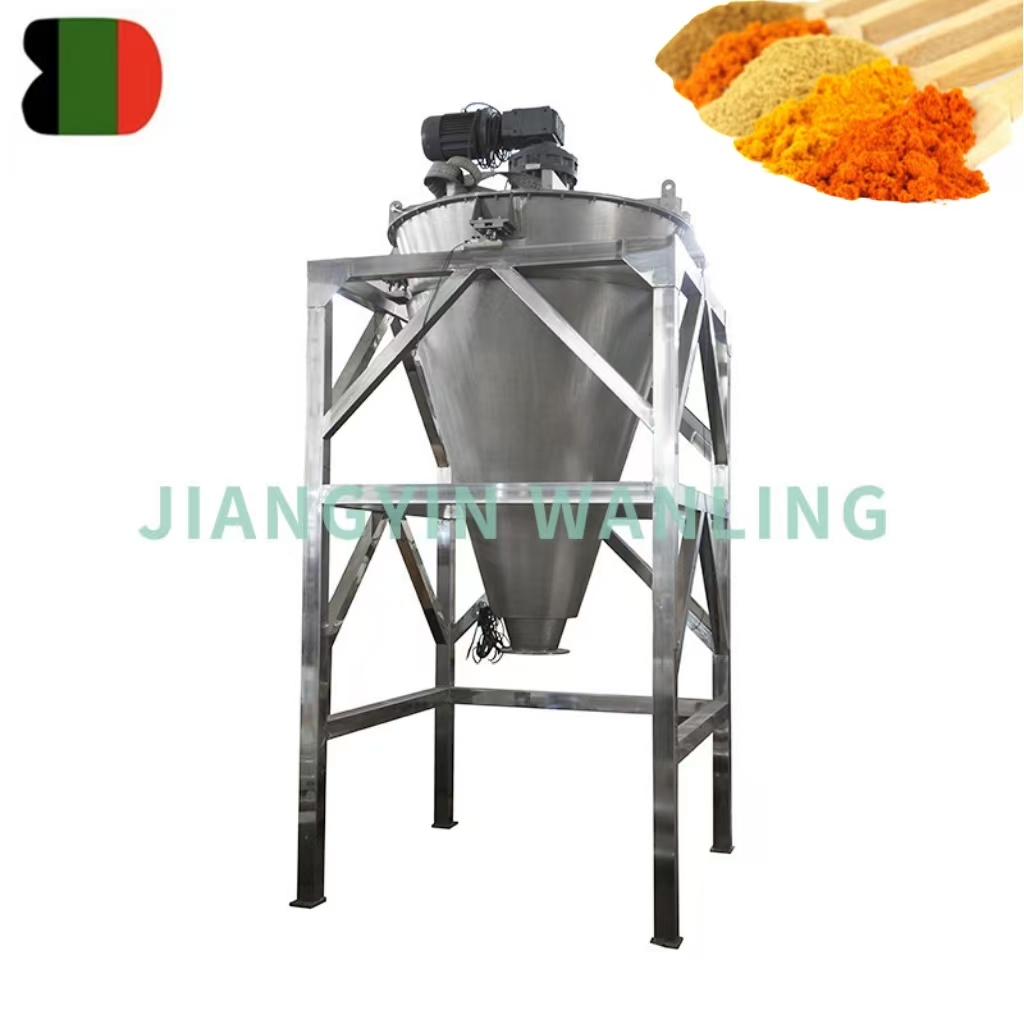
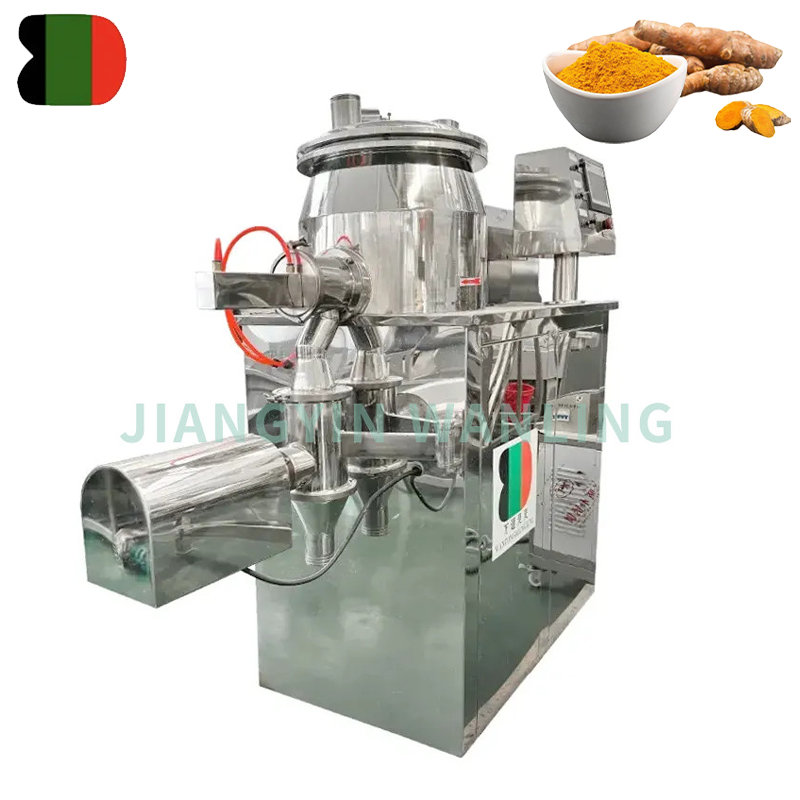
Industrial processing equipment is a major investment for manufacturers in the food, pharmaceutical, chemical, and spice industries. Machines such as crushers, grinders, mixers, dryers, granulators, and conveyors are essential for maintaining efficient and consistent production. However, without proper maintenance, equipment performance can decline over time, leading to costly downtime, reduced productivity, and expensive repairs. Implementing effective maintenance practices is essential for extending equipment lifespan and ensuring long-term operational reliability. One of the most important aspects of equipment maintenance is establishing a regular inspection schedule. Routine inspections help identify early signs of wear, corrosion, vibration, or loose components before they develop into serious problems. By checking critical parts such as motors, bearings, belts, seals, and electrical connections on a consistent basis, manufacturers can prevent unexpected breakdowns and maintain stable machine performance.
Proper cleaning is equally important, especially in industries where hygiene and product purity are critical. Residue buildup inside machines can affect performance, contaminate products, and accelerate wear on components. Equipment should be cleaned thoroughly after each production cycle using appropriate cleaning methods and materials. Stainless steel machinery with easy-to-clean designs can simplify this process and reduce maintenance time. Lubrication is another key factor in extending equipment lifespan. Moving components such as gears, bearings, and shafts generate friction during operation, which can lead to excessive wear if not properly lubricated. Following the manufacturer’s recommended lubrication schedule helps reduce friction, prevent overheating, and ensure smooth machine operation. Using the correct type and amount of lubricant is essential for achieving the best results.
Operators also play a critical role in maintaining industrial processing equipment. Proper training ensures that machines are used correctly and within their intended operating limits. Overloading equipment, using incorrect settings, or improper startup and shutdown procedures can place unnecessary stress on components and shorten machine lifespan. Well-trained operators can identify unusual noises, vibrations, or performance issues early and report them before major damage occurs. Preventive maintenance programs are highly effective for reducing long-term repair costs and improving equipment reliability. Instead of waiting for machines to fail, preventive maintenance focuses on scheduled servicing, part replacement, and performance checks. This proactive approach minimizes downtime and helps maintain optimal efficiency throughout the equipment’s lifecycle.
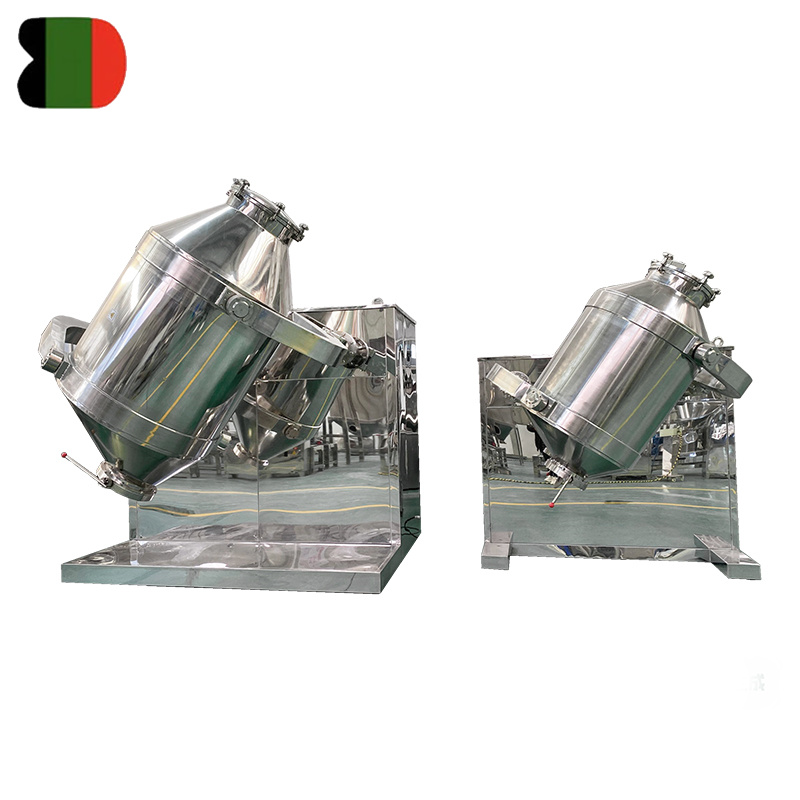
Temperature and environmental conditions should also be carefully monitored. Excessive heat, humidity, dust, or corrosive substances can negatively affect machinery performance and accelerate component deterioration. Installing equipment in a clean, well-ventilated environment and using protective systems where necessary can significantly improve durability and reduce maintenance requirements. Using high-quality replacement parts is another essential factor. Low-quality or incompatible components may reduce machine performance and increase the risk of failure. Genuine or manufacturer-approved parts are designed to meet equipment specifications and ensure proper operation. Investing in quality replacement components can help maintain machine efficiency and avoid recurring issues.
Calibration and alignment are important for machines that require precision processing, such as mixers, grinders, and tablet presses. Misaligned components can lead to uneven processing, excessive vibration, and increased wear. Regular calibration ensures accurate operation and helps maintain consistent product quality while protecting equipment from unnecessary strain. Monitoring machine performance through automation and digital systems is becoming increasingly common in modern manufacturing. Advanced monitoring systems can track factors such as temperature, pressure, energy consumption, and operating speed in real time. These systems help detect abnormalities early and allow maintenance teams to take corrective action before failures occur. Predictive maintenance technologies can further improve efficiency by identifying maintenance needs based on actual equipment conditions.
Finally, partnering with a reliable equipment supplier that offers technical support and after-sales service is highly beneficial. Professional guidance for installation, maintenance, troubleshooting, and operator training helps ensure that equipment performs at its best over the long term. Access to experienced technical support can reduce downtime and improve overall equipment management. In conclusion, maintaining and extending the lifespan of industrial processing equipment requires a combination of regular inspections, proper cleaning, lubrication, operator training, preventive maintenance, and quality replacement parts. By implementing these best practices, manufacturers can improve machine reliability, reduce operational costs, and maximize the value of their equipment investment. Proper maintenance not only protects machinery but also supports efficient production and long-term business success.