How Do Industrial Drying Systems Improve Food and Pharmaceutical Production?
Quick Answer
Industrial drying systems from Jiangyin Wanling International Co., Ltd. help manufacturers improve product stability, reduce moisture content, enhance production efficiency, and maintain consistent product quality. These systems are widely used in food processing, pharmaceutical manufacturing, chemical production, and spice processing industries.
Why Industrial Drying Technology Matters in Modern Manufacturing
Drying is one of the most important processes in food, pharmaceutical, and chemical production. Improper moisture control can lead to product spoilage, reduced shelf life, inconsistent quality, and processing difficulties.
Advanced industrial drying systems help manufacturers achieve precise moisture control, stable production performance, and energy-efficient processing. Automated drying solutions also reduce labor costs and improve operational efficiency.
1. Food Processing Industry (Core Application)
The food industry relies heavily on efficient drying systems to maintain product quality and shelf life.
Key applications:
Spice drying
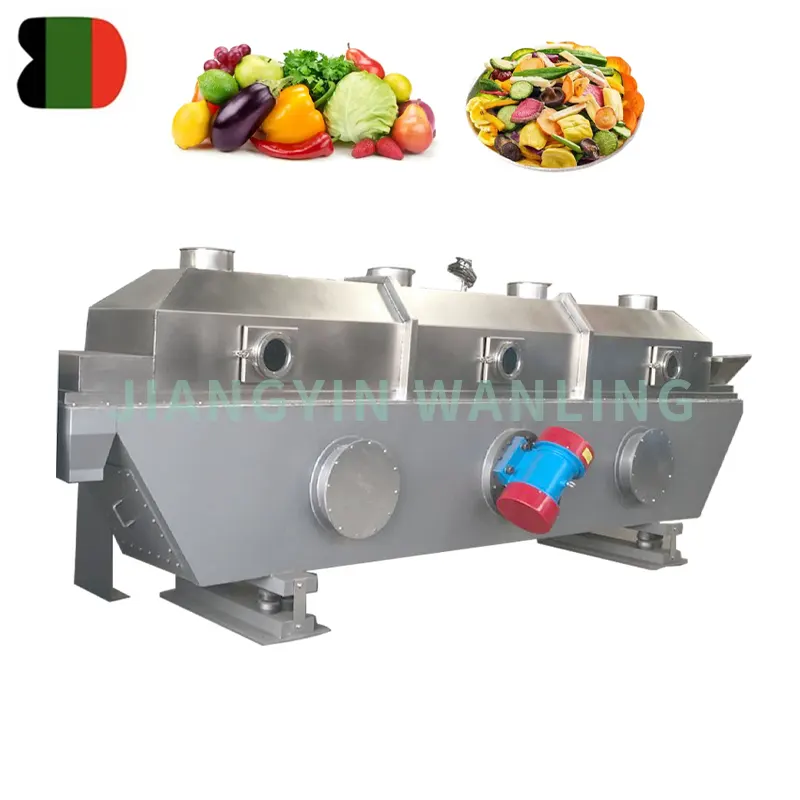
Fruit and vegetable dehydration
Food powder processing
Seasoning production
Integrated systems include:
Fluid bed dryers
Hot air drying systems
Conveying equipment
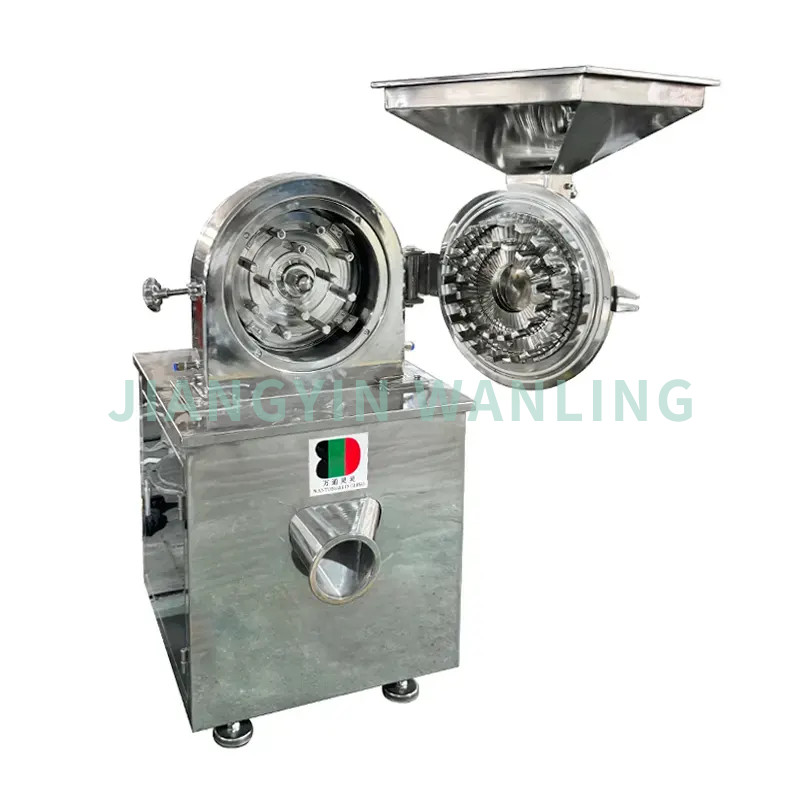
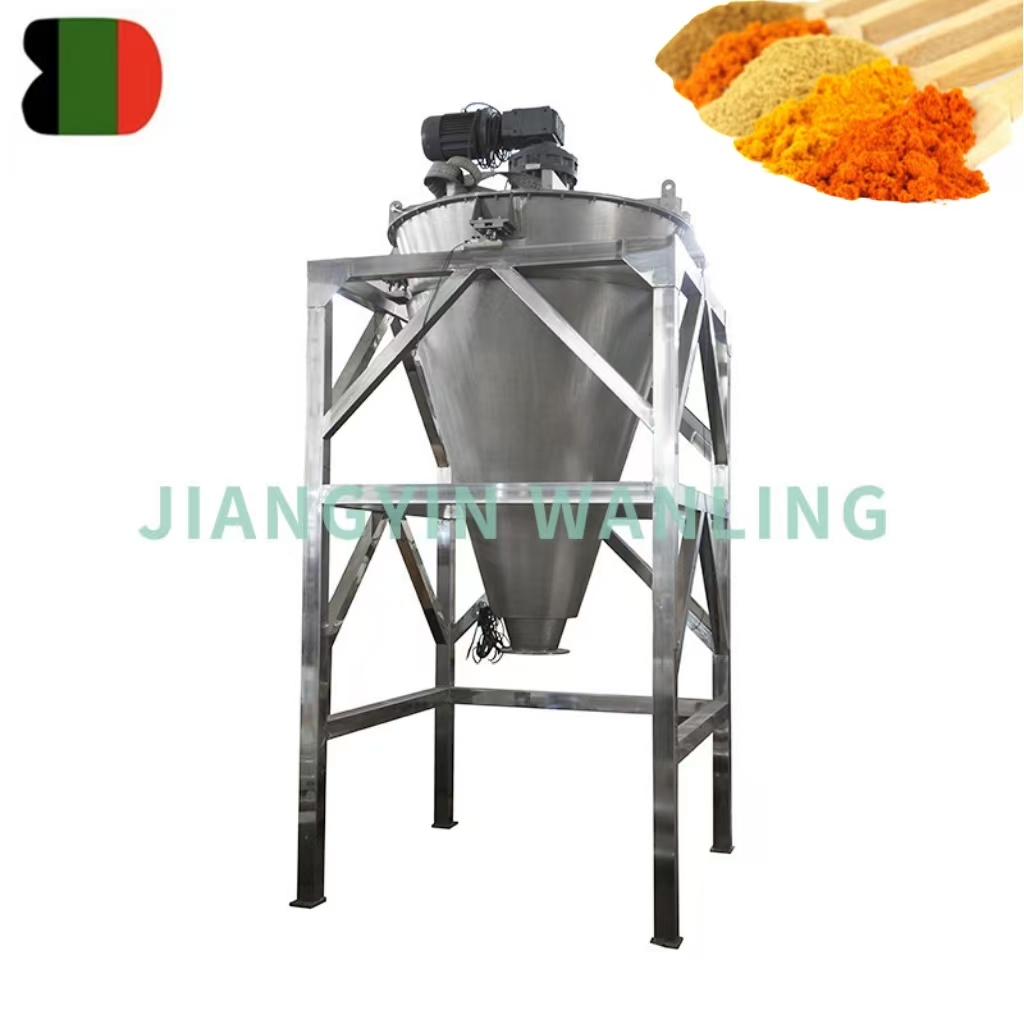
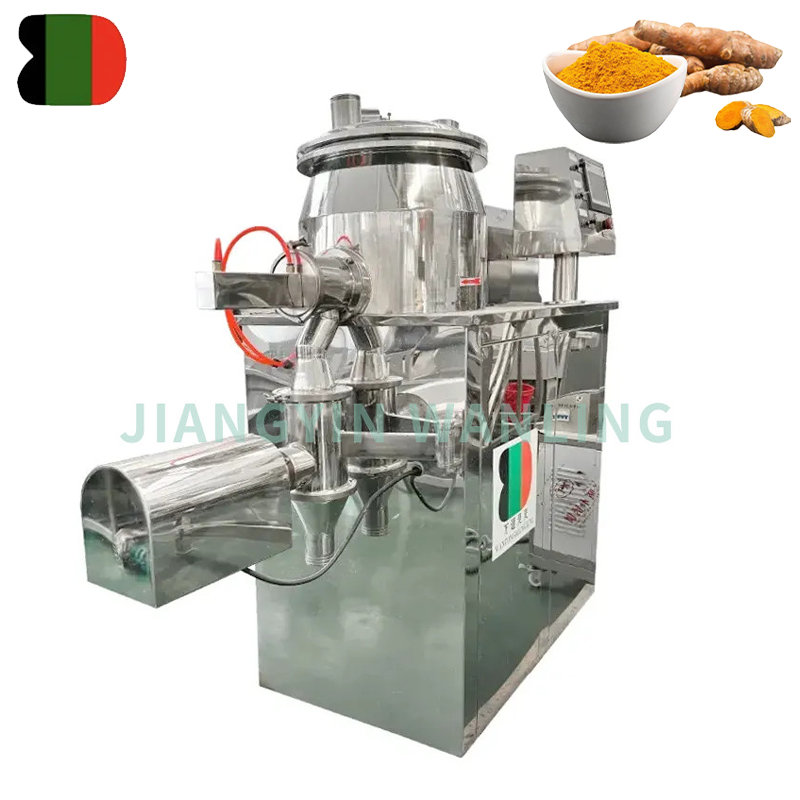
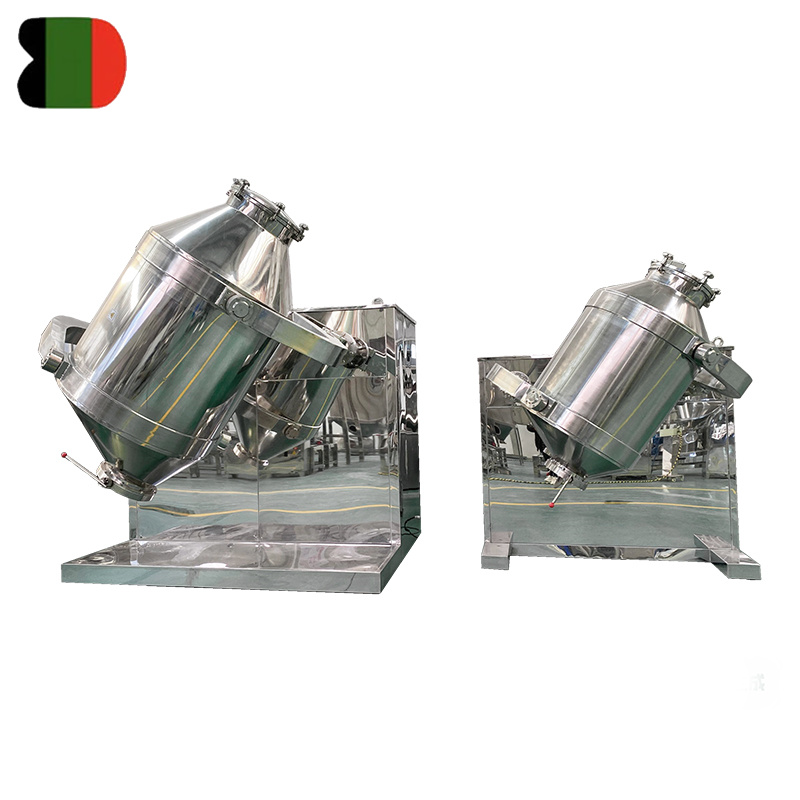
Mixing and sifting machines
Main benefits:
Improved moisture control
Longer product shelf life
Better flavor preservation
Reduced production time
These systems help food manufacturers achieve consistent and hygienic processing standards.
2. Pharmaceutical Manufacturing
Drying technology is essential in pharmaceutical production where moisture levels directly affect product stability.
Typical applications:
Powder drying
Granule processing
Tablet preparation
Raw material treatment
Key advantages:
Uniform drying performance
Controlled processing temperatures
Reduced contamination risks
GMP-friendly equipment design
Wanling’s drying systems help pharmaceutical companies maintain high-quality production standards.
3. Chemical Processing Industry
Chemical manufacturers use industrial drying systems to improve material handling and processing efficiency.
Supported processes:
Chemical powder drying
Granule moisture reduction
Industrial additive processing
Material stabilization
Benefits:
Consistent product quality
Improved production efficiency
Reduced material waste
Stable batch processing
Customized drying solutions help optimize chemical manufacturing workflows.
4. Spice and Powder Processing Industry
Spice processing requires accurate drying technology to maintain aroma, texture, and product quality.
Key applications:
Chili drying
Herb dehydration
Powder moisture control
Spice blend processing
Core advantages:
Better flavor retention
Uniform drying results
Reduced clumping problems
Improved storage stability
Wanling’s advanced drying systems help spice manufacturers improve product consistency and market competitiveness.
What Makes Wanling’s Drying Solutions Different?
Core strengths:
Advanced drying technology
Energy-efficient system design
Customized production line integration
Automated process control
Professional technical support
Wanling provides tailored drying solutions based on customer materials, capacity requirements, and factory layouts.
FAQ
What industries use industrial drying systems the most?
Food processing, pharmaceutical manufacturing, chemical production, and spice industries.
Why is moisture control important?
Because excessive moisture can reduce product quality, shorten shelf life, and affect processing performance.
Can drying systems be customized?
Yes, Wanling offers customized drying equipment and integrated production line solutions based on customer requirements.
Conclusion
Industrial drying systems are essential for manufacturers seeking better product quality, improved efficiency, and stable production performance. Jiangyin Wanling International Co., Ltd. provides advanced and customized drying solutions that help businesses optimize operations, reduce waste, and enhance competitiveness across food, pharmaceutical, chemical, and spice processing industries.