Essential Role of Conveyors in Automating Food and Pharmaceutical Production Lines
In modern food and pharmaceutical manufacturing, automation is essential for achieving high efficiency, consistent quality, and strict compliance with safety standards. Among the key components that enable this automation, conveyor systems play a foundational role. They ensure the smooth, continuous movement of materials and products across different stages of production, connecting individual machines into a unified and efficient processing line. Conveyors significantly reduce the need for manual handling, which is often time-consuming, labor-intensive, and prone to errors. In traditional setups, workers must physically transfer materials between processes such as crushing, mixing, drying, and packaging. This not only slows down production but also increases the risk of contamination and product damage. By automating material transfer, conveyor systems streamline operations and improve overall productivity.
In the food industry, hygiene and safety are top priorities. Conveyor systems used in food processing are typically constructed from food-grade stainless steel and designed with smooth, easy-to-clean surfaces. These features help prevent contamination and ensure compliance with strict food safety regulations. Additionally, enclosed conveyor designs can further protect products from external contaminants, maintaining product integrity throughout the production process. In pharmaceutical manufacturing, conveyors are equally critical, but the requirements are even more stringent. Products such as powders, granules, tablets, and capsules must be handled with extreme care to maintain purity and accuracy. Conveyor systems enable precise and controlled movement of materials while minimizing human contact. This helps pharmaceutical companies meet regulatory standards and maintain consistent product quality.
Another major advantage of conveyor systems is their ability to enhance production speed and efficiency. Automated material handling allows production lines to operate continuously without interruptions. When conveyors are properly integrated with other equipment, they help synchronize different stages of production, ensuring that each machine operates at optimal capacity. This results in higher throughput and better utilization of resources. Conveyors also contribute to improved factory layout and space utilization. By customizing conveyor designs to fit the production environment, manufacturers can create more organized and efficient workflows. Options such as vertical conveyors, inclined systems, and compact layouts allow for maximum use of available space while maintaining smooth material flow. This organized structure improves both efficiency and workplace safety.
Flexibility is another important benefit of modern conveyor systems. Different types of conveyors—such as belt conveyors, screw conveyors, bucket conveyors, and vacuum conveyors—can be selected based on the specific materials being handled. This versatility allows manufacturers to design production lines that are tailored to their unique processes, whether handling powders, liquids, or solid products. Automation through conveyor systems also enhances workplace safety. By reducing the need for manual lifting and transportation of materials, conveyors minimize the risk of worker fatigue and injury. Employees can focus on monitoring operations and quality control rather than performing physically demanding tasks, creating a safer and more productive working environment.
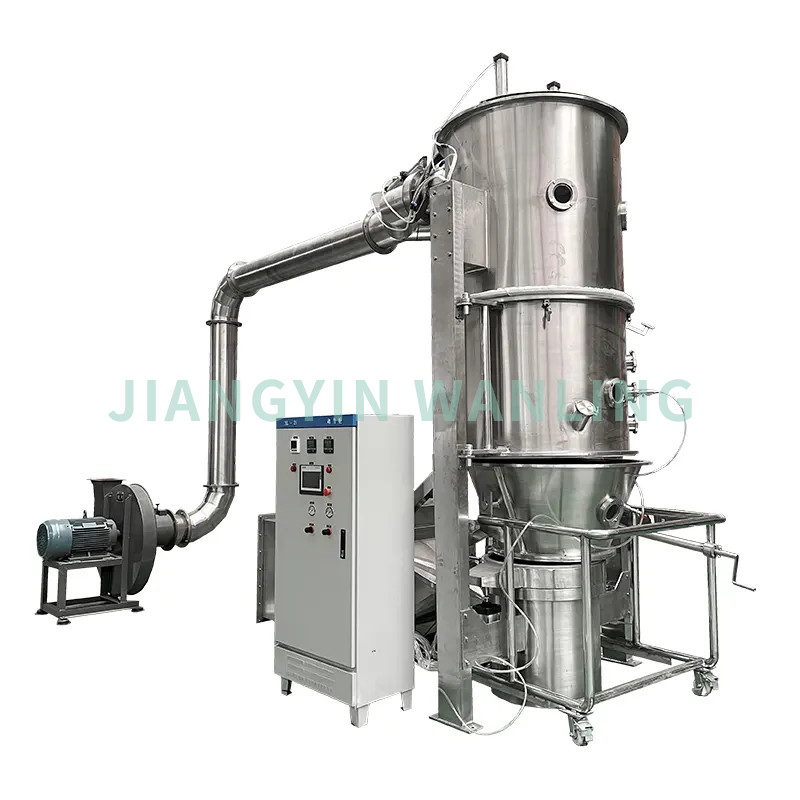
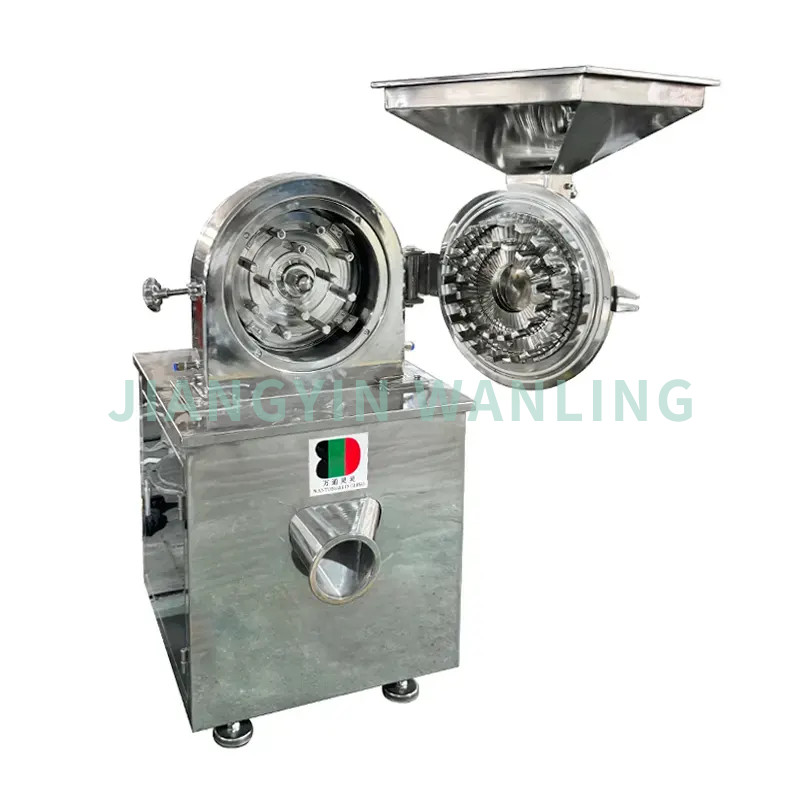
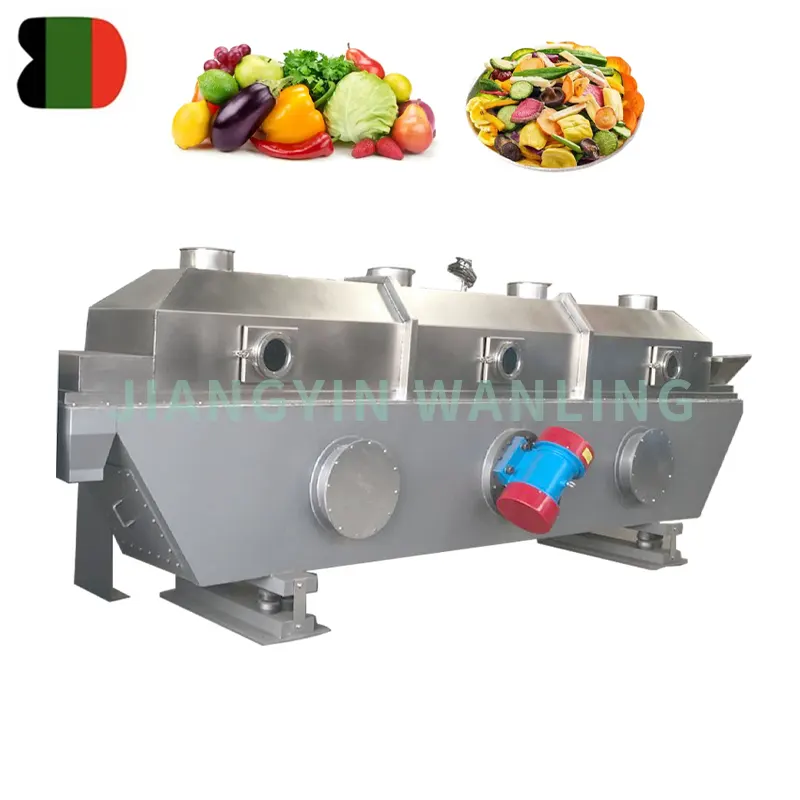
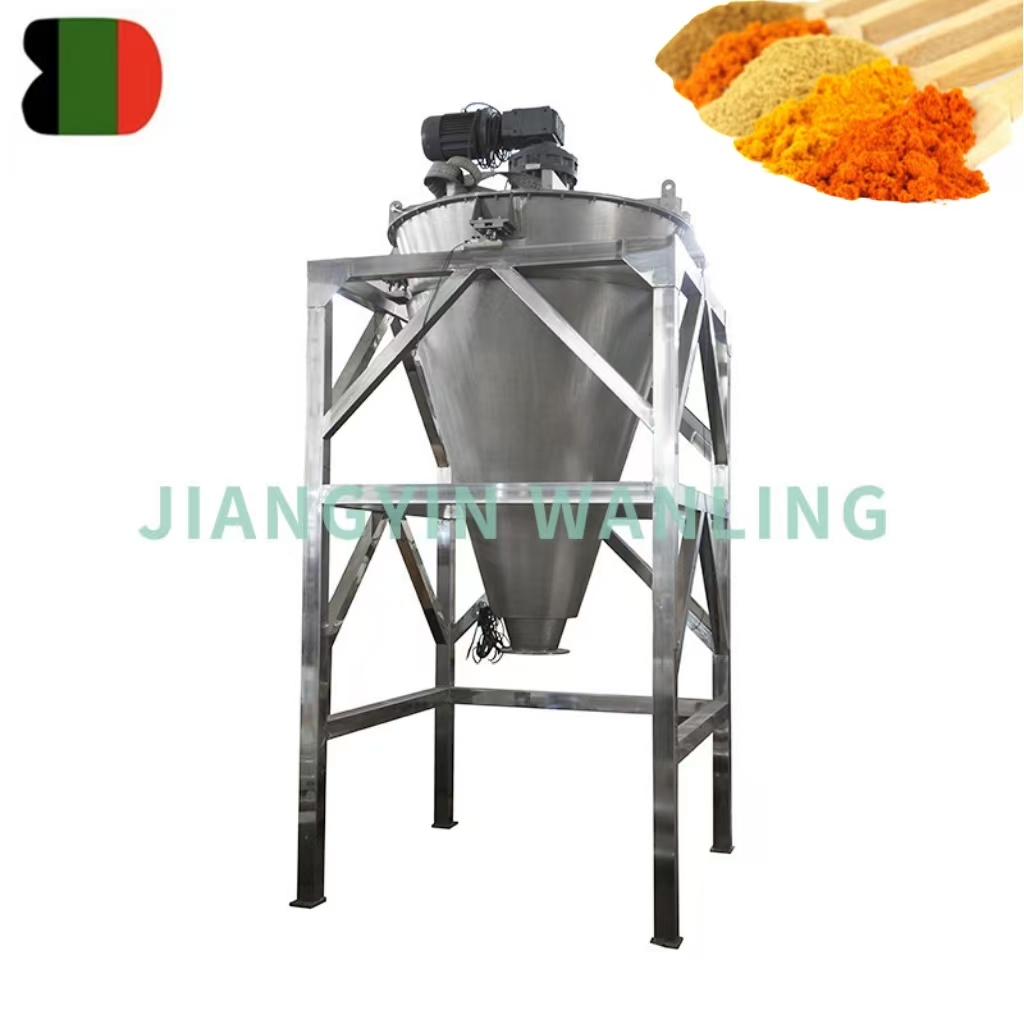
Energy efficiency is an additional advantage. Modern conveyor systems are designed with efficient motors and optimized mechanical components that reduce power consumption. Continuous material flow also helps minimize unnecessary machine stops and starts, contributing to more stable and energy-efficient production processes. Finally, conveyors are essential for integrating different machines into a cohesive automated production line. When combined with equipment such as grinders, mixers, dryers, granulators, and packaging machines, conveyors create a seamless system that improves process coordination and reduces material loss. This integration ensures consistent operation from raw material input to final product output.
In conclusion, conveyors are a vital element in automating food and pharmaceutical production lines. Their ability to improve efficiency, maintain hygiene, enhance safety, and support seamless integration makes them indispensable in modern manufacturing. By investing in advanced conveyor systems, companies can optimize their operations, ensure consistent product quality, and achieve long-term success in highly competitive industries.