Key Benefits of Sifting and Granulating Machines in the Chemical Industry
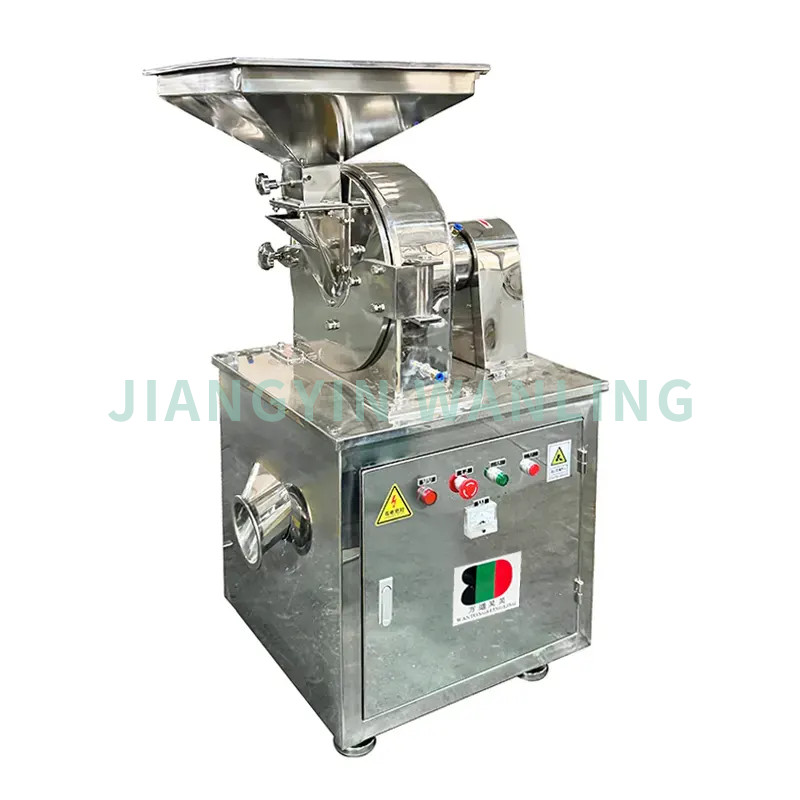
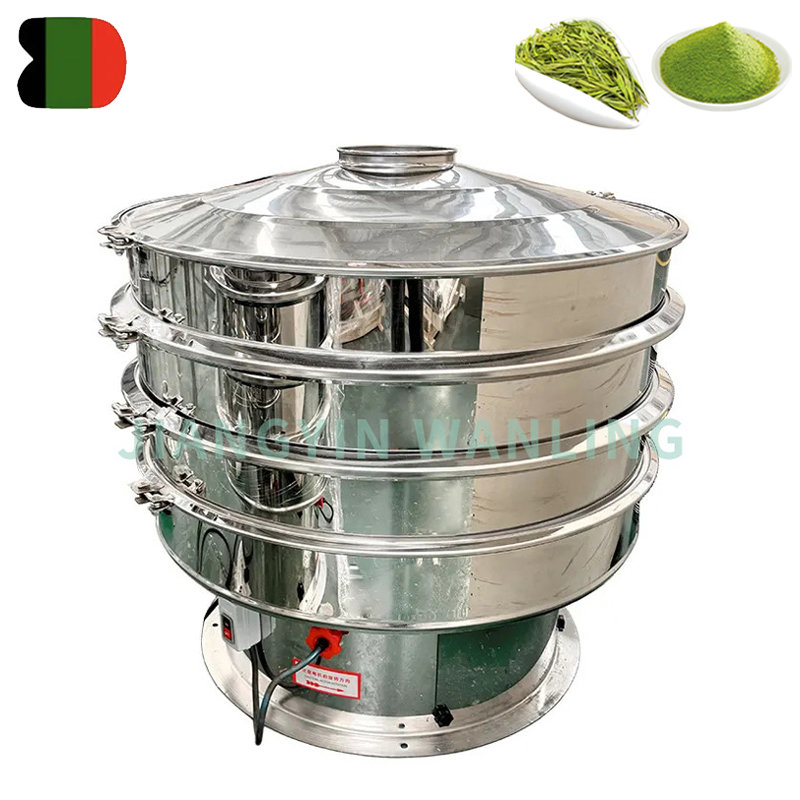
In the chemical industry, precision, consistency, and efficiency are essential for maintaining product quality and meeting strict regulatory requirements. Processes such as particle size control, material separation, and formulation uniformity play a critical role in determining the performance of chemical products. Sifting and granulating machines are key components in achieving these goals, helping manufacturers improve production efficiency while ensuring consistent and high-quality output. Sifting machines are primarily used to separate materials based on particle size, ensuring that only particles within a specified range proceed to the next stage of production. This is particularly important in chemical processing, where uniform particle size directly affects reaction rates, solubility, and product performance. By removing oversized or undersized particles, sifting machines help maintain strict quality standards and improve the reliability of the final product.
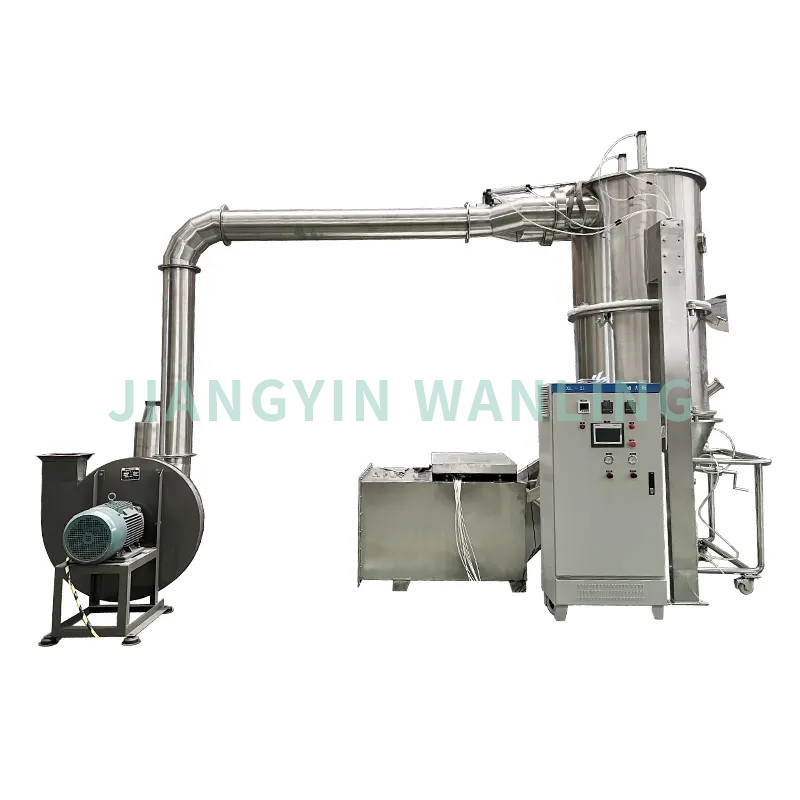
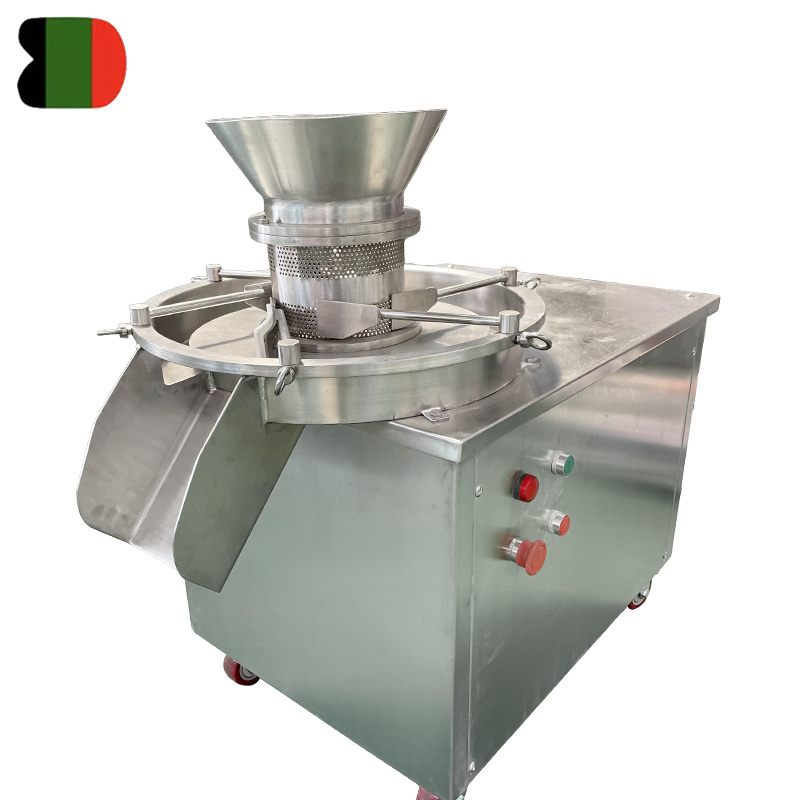
Granulating machines, on the other hand, are designed to convert fine powders into uniform granules. This process enhances material flowability, reduces dust generation, and improves handling during storage and transportation. In many chemical applications, powders can be difficult to manage due to their tendency to clump or disperse into the air. Granulation creates stable, free-flowing particles that are easier to process and package, leading to safer and more efficient operations. One of the major benefits of combining sifting and granulating processes is improved product consistency. Sifting ensures that only properly sized particles are used, while granulating creates uniform granules with controlled density and size distribution. Together, these processes help manufacturers achieve consistent formulations, which is essential for maintaining product performance across different batches.
Efficiency is another important advantage of using sifting and granulating machines. Automated systems can process large volumes of material quickly and accurately, reducing the need for manual labor. Continuous operation minimizes production downtime and increases throughput, allowing manufacturers to meet high demand without compromising quality. This level of efficiency is especially valuable in large-scale chemical production. Dust control and workplace safety are also significantly improved through the use of these machines. Fine chemical powders can pose health risks to workers and create hazardous working conditions if not properly managed. Granulating machines reduce airborne dust by binding particles together, while enclosed sifting systems help contain fine materials during separation. These features contribute to a cleaner, safer production environment.
Another key benefit is enhanced downstream processing. Uniform particle size and granule structure improve the performance of subsequent processes such as mixing, drying, and packaging. Materials that flow consistently are easier to handle and process, reducing the likelihood of blockages, uneven mixing, or equipment wear. This leads to smoother operations and improved overall production efficiency. Flexibility is an important consideration in the chemical industry, where different products may require different particle sizes and formulations. Modern sifting and granulating machines can be adjusted to meet specific requirements, allowing manufacturers to process a wide range of materials. This adaptability makes it easier to switch between products or customize production based on customer needs.
Durability and reliability are also critical factors. Chemical processing environments can be demanding, requiring equipment that can withstand continuous operation and exposure to various substances. High-quality sifting and granulating machines are built with robust materials and designed for long-term performance, reducing maintenance requirements and ensuring consistent operation. Energy efficiency is another advantage of modern equipment. Advanced designs focus on optimizing power consumption while maintaining high performance. Efficient operation not only reduces production costs but also supports environmentally responsible manufacturing practices, which are becoming increasingly important in the chemical industry.
In conclusion, sifting and granulating machines play an essential role in improving quality, efficiency, and safety in chemical production. By ensuring uniform particle size, enhancing material handling, reducing dust, and supporting downstream processes, these machines help manufacturers achieve reliable and consistent results. Investing in advanced sifting and granulating technology is a strategic decision that enables chemical companies to improve productivity, maintain high standards, and remain competitive in a demanding global market.