Top Factors to Consider When Investing in Industrial Drying Equipment
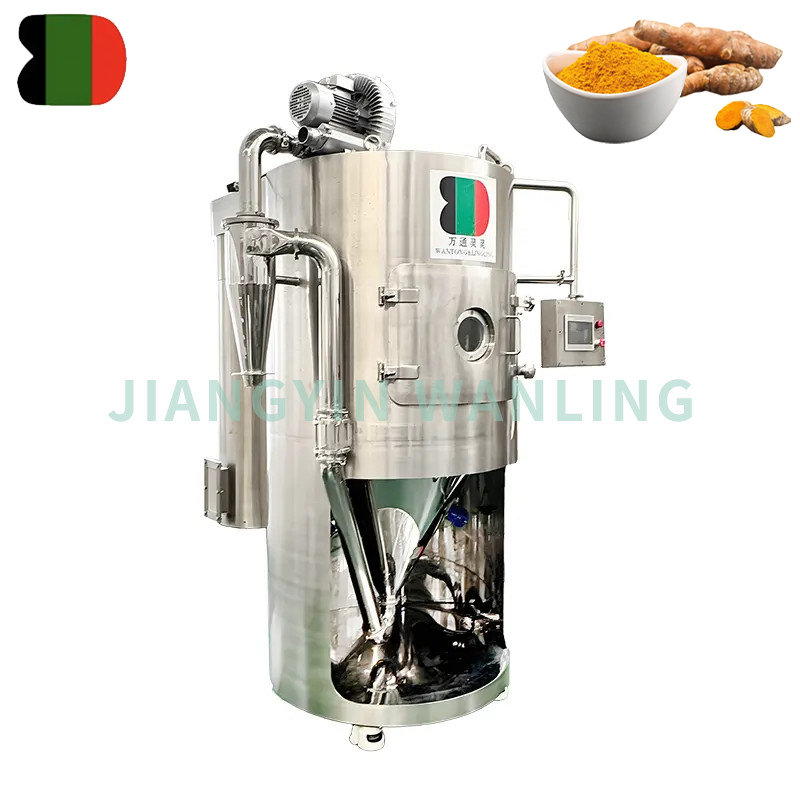
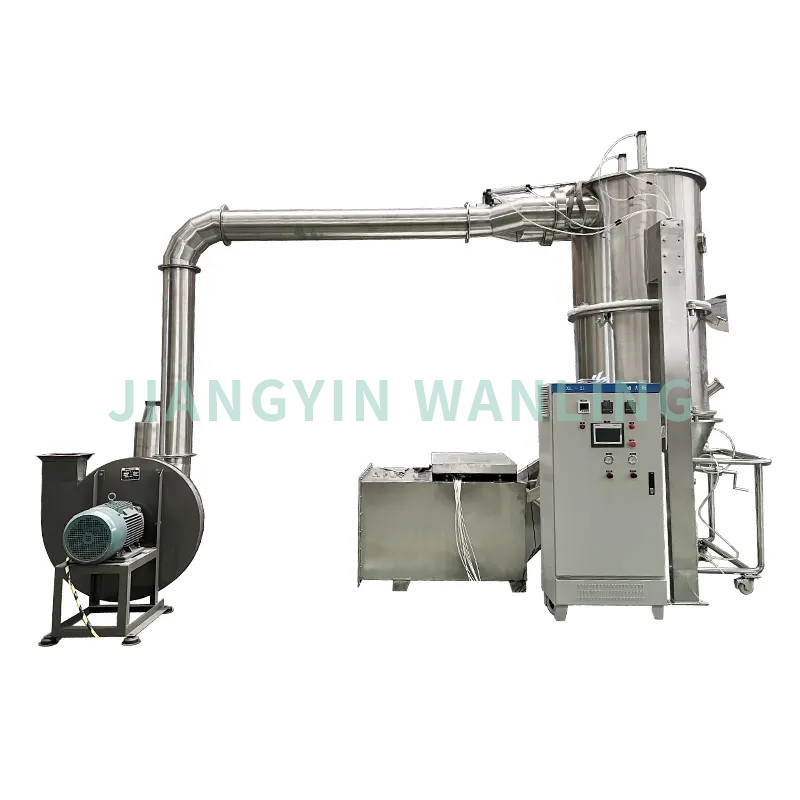
Investing in industrial drying equipment is a critical decision for manufacturers in industries such as food processing, pharmaceuticals, and chemicals. Drying is a key stage that directly affects product quality, shelf life, and overall production efficiency. Choosing the right equipment requires careful evaluation of multiple factors to ensure optimal performance, cost-effectiveness, and long-term reliability. Understanding these factors can help businesses make informed decisions and maximize their return on investment. One of the most important considerations is the type of material being processed. Different materials have unique properties such as moisture content, particle size, heat sensitivity, and flow characteristics. For example, heat-sensitive ingredients require gentle drying methods to preserve their quality, while more robust materials may tolerate higher temperatures. Selecting equipment that is compatible with the specific characteristics of your materials ensures efficient drying without compromising product integrity.
Drying efficiency and capacity are also key factors. Manufacturers must evaluate their production requirements, including batch size, throughput, and processing time. Equipment that is too small can create bottlenecks, while oversized systems may lead to unnecessary energy consumption and higher operational costs. Matching the drying capacity to actual production needs helps achieve balanced workflow and optimal performance. Energy consumption plays a significant role in operational costs. Industrial drying is often energy-intensive, making it essential to choose equipment designed for high efficiency. Modern drying systems incorporate advanced heat transfer technologies, optimized airflow designs, and energy-saving features that reduce power consumption. Investing in energy-efficient equipment not only lowers operating costs but also supports sustainable manufacturing practices.
Temperature control and uniform drying are crucial for maintaining product quality. Uneven drying can result in inconsistent moisture levels, which may affect product stability and performance. Advanced drying equipment offers precise control over temperature, airflow, and drying time, ensuring uniform moisture removal throughout the material. This consistency is especially important in industries where quality standards are strict. Another important factor is automation and control systems. Automated drying equipment allows operators to monitor and adjust process parameters in real time. Features such as programmable settings, sensors, and digital interfaces improve accuracy and reduce human error. Automation enhances process repeatability, ensuring that each batch is dried under consistent conditions.
Hygiene and cleanability are essential, particularly in food and pharmaceutical applications. Drying equipment should be constructed from high-quality materials such as stainless steel and designed with smooth surfaces to prevent contamination. Easy access for cleaning and maintenance reduces downtime and helps maintain compliance with industry regulations. Equipment that supports quick and effective cleaning processes is highly beneficial for maintaining operational efficiency. Flexibility and customization are also important considerations. Different products may require different drying conditions, and production needs may change over time. Equipment that can be adjusted or customized to handle various materials and processing requirements provides greater operational flexibility. This adaptability allows manufacturers to respond quickly to market demands and expand their product range.
Durability and reliability are critical for long-term performance. Industrial drying equipment must operate continuously under demanding conditions, making it important to choose machines built with robust construction and high-quality components. Reliable equipment reduces the risk of unexpected breakdowns, minimizes maintenance costs, and ensures consistent production output. Space and installation requirements should also be taken into account. The size and layout of the drying equipment must fit within the available factory space while allowing for efficient workflow. Compact and well-designed systems can help optimize floor space and improve overall plant organization. Proper installation planning also ensures smooth integration with other processing equipment.
Finally, after-sales support and technical service are vital factors when selecting a supplier. Reliable support for installation, training, maintenance, and troubleshooting ensures that the equipment operates at peak performance throughout its lifespan. Working with an experienced manufacturer that offers comprehensive service can significantly enhance the value of your investment. In conclusion, investing in industrial drying equipment requires a thorough evaluation of material characteristics, capacity, energy efficiency, automation, hygiene, flexibility, and supplier support. By carefully considering these factors, manufacturers can select the right drying solution to improve product quality, optimize production efficiency, and achieve long-term operational success.