How to Select the Right Food Processing Machinery for Your Production Needs
Selecting the right food processing machinery is a crucial decision that directly impacts product quality, production efficiency, and overall profitability. With a wide range of equipment available for different processing stages—such as washing, cutting, grinding, mixing, drying, and packaging—manufacturers must carefully evaluate their specific requirements before making an investment. A well-chosen system not only improves operational performance but also supports long-term business growth. The first step in selecting suitable machinery is understanding your product and raw material characteristics. Different food products require different processing methods depending on factors such as moisture content, texture, particle size, and sensitivity to heat. For example, spices, powders, and granules each demand specific types of crushing, grinding, or mixing equipment. Choosing machinery that matches your material properties ensures efficient processing while preserving product quality.
Production capacity is another key factor to consider. Businesses must evaluate their current output needs as well as future expansion plans. Machinery that is too small may create bottlenecks and limit growth, while oversized equipment can lead to unnecessary energy consumption and higher operating costs. Selecting equipment with the right capacity helps maintain a balanced production flow and maximizes efficiency. Process integration is equally important. Food processing typically involves multiple stages, and each machine must work seamlessly with the next. From pre-processing equipment like washing and cutting to final stages such as packing and filling, an integrated production line ensures smooth material flow and minimizes downtime. Choosing equipment that can be easily connected and synchronized improves overall productivity and reduces manual handling.
Automation and control systems are becoming increasingly important in modern food production. Automated machinery allows precise control over key parameters such as temperature, mixing time, and processing speed. This reduces human error and ensures consistent results across batches. Advanced control systems also enable real-time monitoring, helping operators quickly identify and resolve issues, which improves both efficiency and product quality. Hygiene and food safety should be top priorities when selecting machinery. Equipment must comply with strict food safety standards and be designed for easy cleaning and maintenance. Stainless steel construction, smooth surfaces, and minimal dead corners help prevent contamination and ensure sanitary processing conditions. Machines that support quick cleaning procedures can also reduce downtime between production cycles.
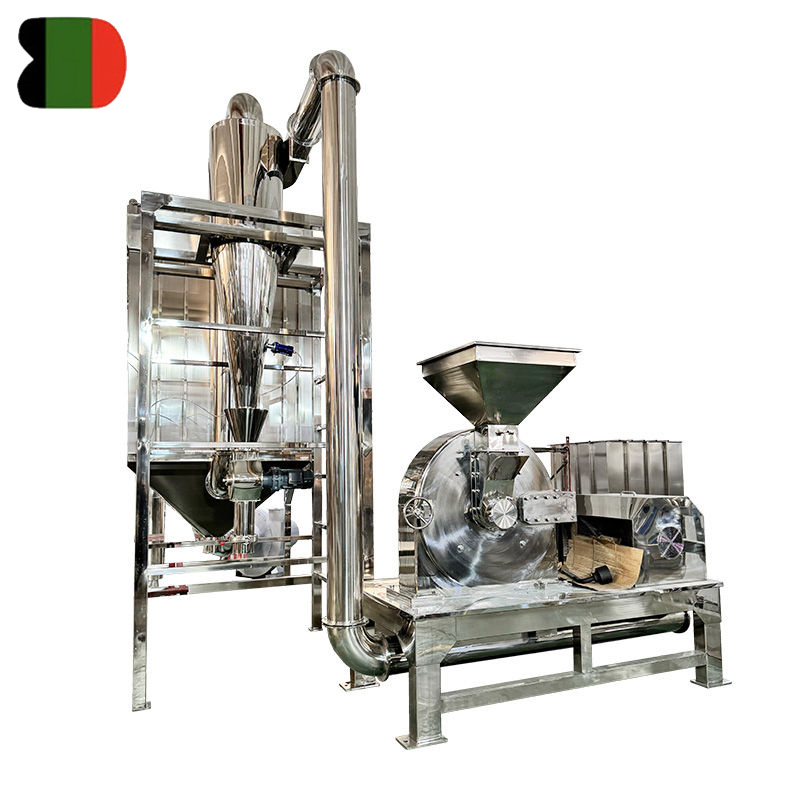
Energy efficiency is another important consideration. Food processing can be energy-intensive, especially in operations such as drying and grinding. Choosing machinery with energy-saving features—such as efficient motors, optimized airflow systems, and heat recovery technologies—can significantly reduce operating costs. Energy-efficient equipment not only lowers expenses but also contributes to more sustainable production practices. Flexibility and customization are essential for businesses that produce a variety of products or plan to expand their offerings. Machinery that can be adjusted or customized to handle different materials and processing requirements provides greater versatility. Customized production lines designed according to specific needs can eliminate inefficiencies and ensure optimal performance across all stages of production.
Durability and reliability are critical for maintaining continuous operation. High-quality machinery built with robust components can withstand demanding production environments and reduce the risk of breakdowns. Reliable equipment minimizes maintenance costs and ensures that production schedules are not disrupted, which is especially important for meeting delivery deadlines. Another important factor is the available factory space and layout. Machinery should be selected based on how well it fits into the production facility. A well-planned layout improves workflow, reduces unnecessary movement, and enhances overall efficiency. Compact and modular equipment can help maximize space utilization while maintaining a smooth production process.
Finally, after-sales support and technical service should not be overlooked. Working with a reputable supplier that offers installation guidance, operator training, and ongoing maintenance support ensures that the machinery performs at its best. Reliable service helps extend equipment lifespan and provides peace of mind for manufacturers. In conclusion, selecting the right food processing machinery requires careful consideration of product characteristics, capacity, integration, automation, hygiene, energy efficiency, and supplier support. By making informed decisions, manufacturers can build efficient production lines that deliver consistent quality, reduce costs, and support long-term success in the competitive food industry.