How to Reduce Material Waste in Food and Chemical Processing Lines
Reducing material waste is a top priority for manufacturers in both the food and chemical industries. Waste not only increases production costs but also affects efficiency, sustainability, and overall profitability. With rising raw material prices and stricter environmental regulations, companies must adopt smarter processing strategies and advanced equipment to minimize losses. By optimizing processes and improving operational control, manufacturers can significantly reduce waste while maintaining high product quality. One of the most effective ways to reduce material waste is through proper raw material handling. Inefficient handling can lead to spillage, contamination, or degradation before processing even begins. Using well-designed feeding systems, storage solutions, and conveyors ensures that materials are transported safely and efficiently throughout the production line. Controlled handling minimizes loss and preserves the quality of raw materials.
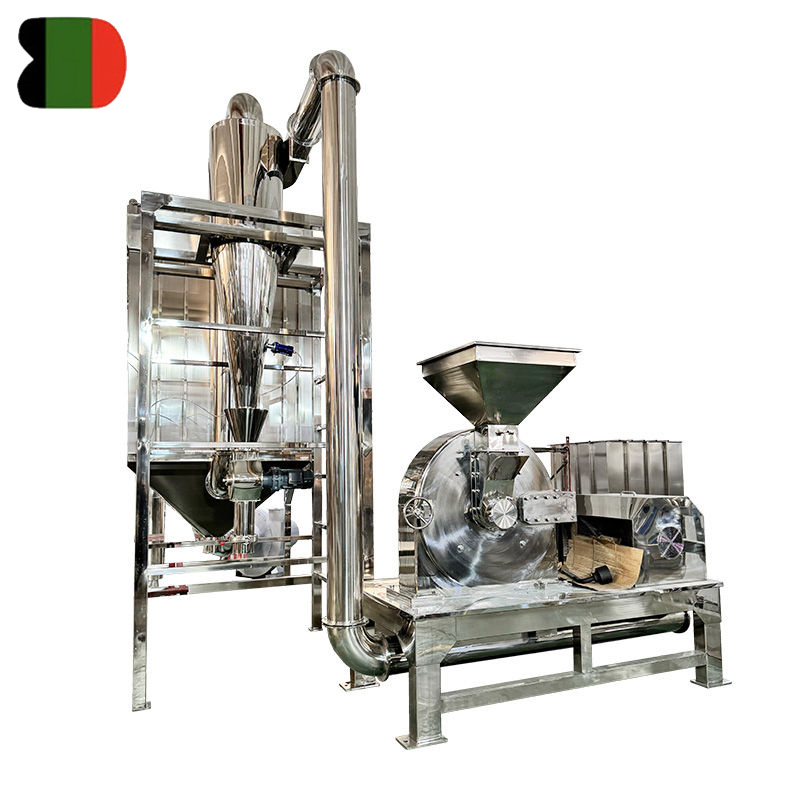
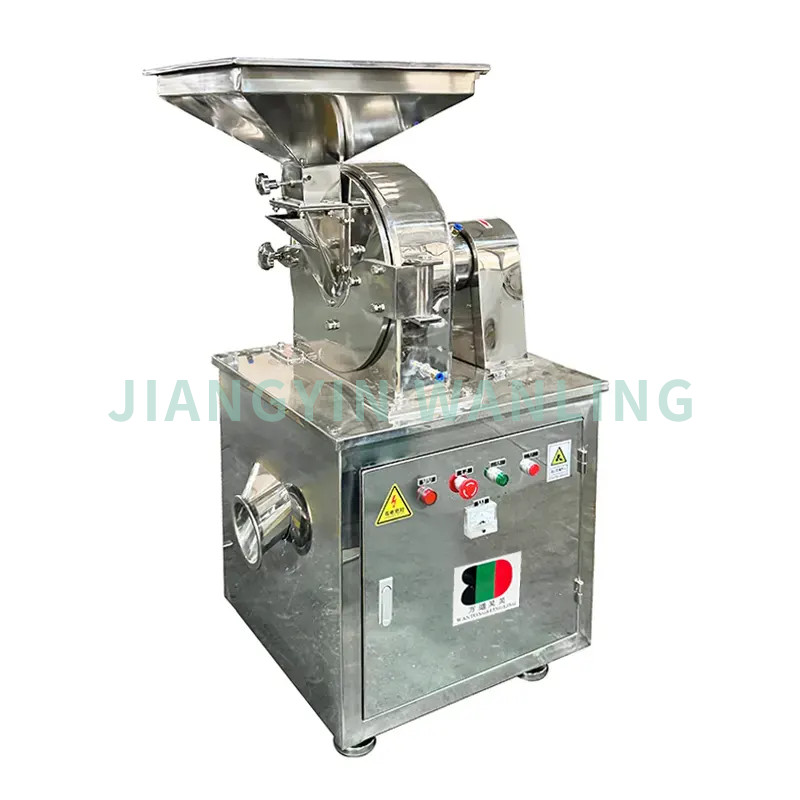
Accurate size reduction is another critical factor. Crushing and grinding processes must be carefully controlled to achieve uniform particle size. Inconsistent grinding can lead to excessive fines or oversized particles, both of which may be rejected or require reprocessing. High-precision grinding equipment helps ensure consistent output, reducing waste and improving the efficiency of downstream processes such as mixing and drying. Efficient mixing also plays a key role in minimizing waste. Poor mixing can result in uneven distribution of ingredients, leading to off-spec products that must be discarded or reworked. Advanced mixing machines ensure uniform blending of materials, improving product consistency and reducing the likelihood of batch rejection. This is especially important in industries where precise formulations are required.
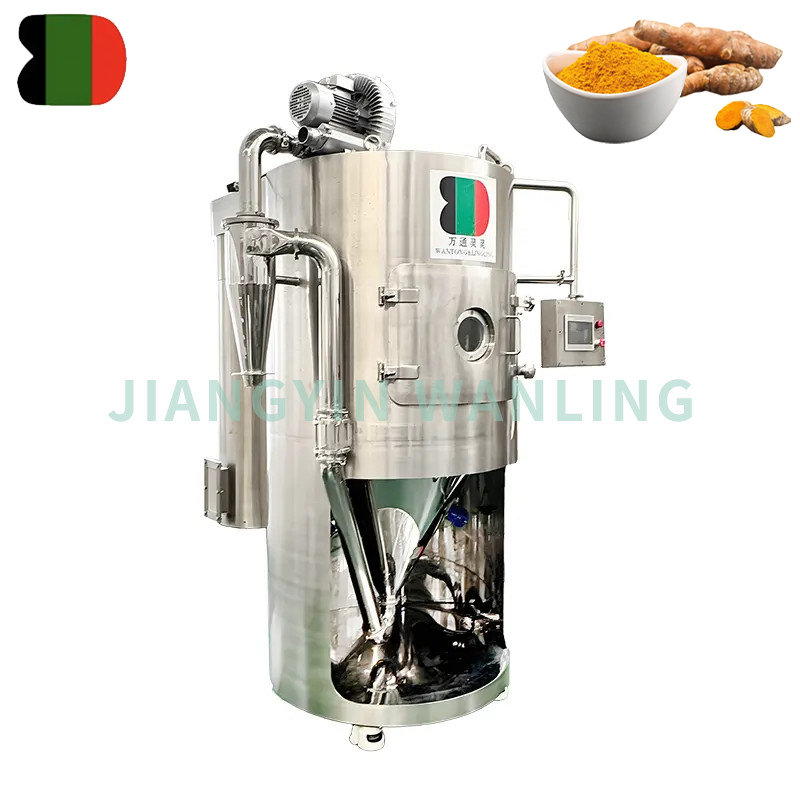
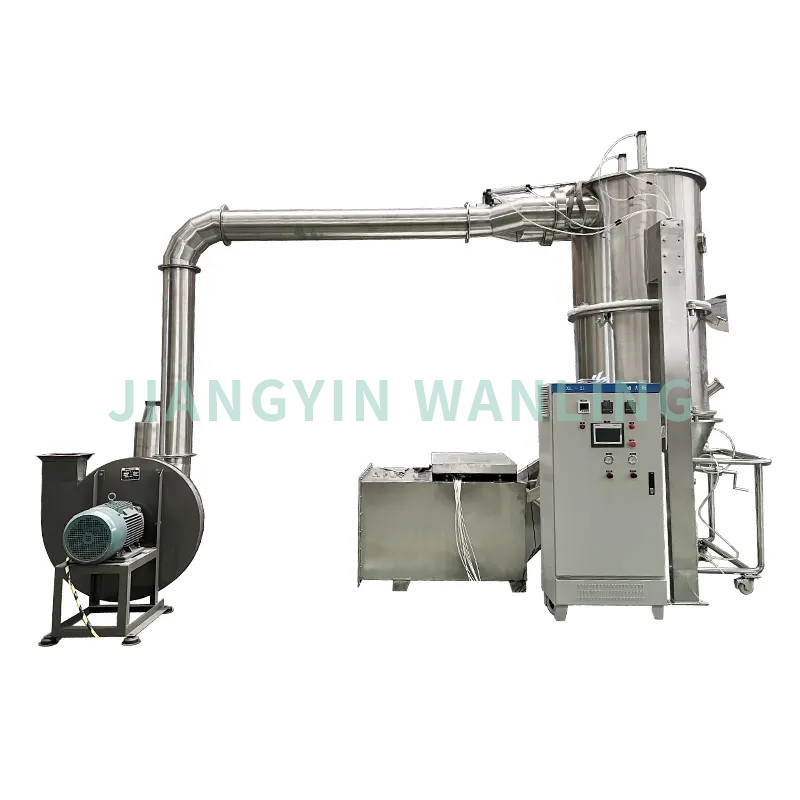
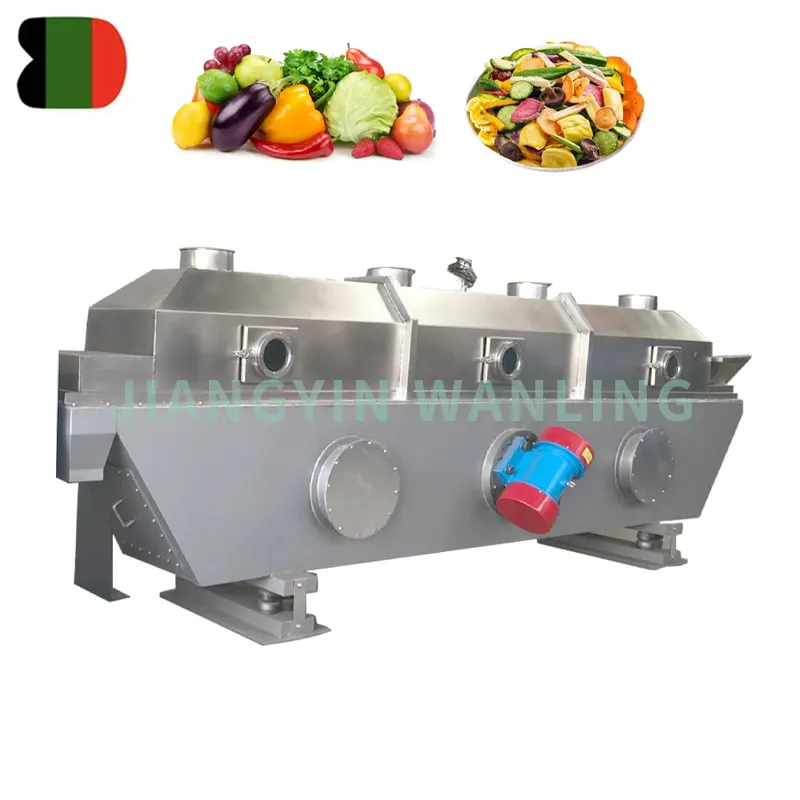
Optimizing drying processes is essential for reducing material loss. Over-drying can damage products and reduce yield, while under-drying can lead to spoilage or instability. Modern drying equipment with precise temperature and airflow control helps achieve the ideal moisture level for each material. This not only preserves product quality but also prevents unnecessary waste caused by improper drying. Automation and process control systems are powerful tools for waste reduction. By monitoring key parameters such as temperature, pressure, and processing time in real time, automated systems ensure that operations remain within optimal ranges. This reduces human error and prevents deviations that could result in wasted materials. Automation also allows for quick adjustments, helping maintain consistent production conditions.
Regular equipment maintenance is another important factor. Worn or poorly maintained machines can cause leaks, blockages, or inconsistent performance, leading to material loss. Implementing a preventive maintenance schedule ensures that equipment operates efficiently and reduces the risk of unexpected failures. Well-maintained machinery also improves accuracy and reliability across the production line. Sifting and separation processes contribute significantly to waste reduction. By removing unwanted particles and ensuring uniform material quality, sifting equipment helps prevent defects in the final product. Proper separation also allows reusable materials to be recovered and reintroduced into the process, minimizing overall waste.
Process integration is equally important. When machines are properly matched and connected within a production line, materials flow smoothly from one stage to the next without delays or accumulation. Poor integration can result in material buildup, spillage, or degradation. A well-designed, integrated system reduces handling losses and improves overall efficiency. Employee training and operational awareness also play a role in minimizing waste. Skilled operators who understand the machinery and processes are better equipped to handle materials carefully and respond to issues quickly. Training programs help ensure that best practices are followed consistently, reducing the likelihood of errors that lead to waste.
Finally, investing in modern, energy-efficient, and customized equipment can make a significant difference. Advanced machinery is designed to optimize processing conditions, reduce material loss, and improve overall efficiency. Customized production lines tailored to specific materials and production requirements further enhance performance and minimize waste. In conclusion, reducing material waste in food and chemical processing lines requires a combination of efficient equipment, optimized processes, and skilled operation. By focusing on accurate processing, automation, proper maintenance, and system integration, manufacturers can significantly lower waste levels while improving productivity and profitability. This not only benefits the business but also supports sustainable and responsible manufacturing practices.