Common Challenges in Powder Processing and How Modern Equipment Solves Them
Quick Answer
Powder processing presents many challenges, including inconsistent particle size, material waste, dust generation, poor flowability, and inefficient production processes. Modern powder processing equipment from Jiangyin Wanling International Co., Ltd. helps manufacturers overcome these challenges through advanced crushing, grinding, mixing, drying, sifting, conveying, and packing technologies. These solutions are widely used in food, pharmaceutical, chemical, and spice industries to improve efficiency, product quality, and production stability.
Why Powder Processing Challenges Matter in Modern Manufacturing
Powder production requires precise control at every stage, from raw material preparation to final packaging. Small variations in particle size, moisture content, or ingredient distribution can affect the performance and quality of the finished product.
Traditional manual processing methods often create problems such as inconsistent results, higher labor costs, and increased material loss. Modern automated powder processing systems solve these issues by integrating advanced machinery into complete production lines, helping manufacturers achieve reliable and efficient operations.
1. Inconsistent Particle Size
One of the biggest challenges in powder processing is achieving uniform particle size. Uneven particles can affect mixing performance, product appearance, and final quality.
Common causes:
Improper grinding methods
Equipment limitations
Inconsistent raw materials
Modern solutions:
Advanced crushing machines
Fine grinding equipment
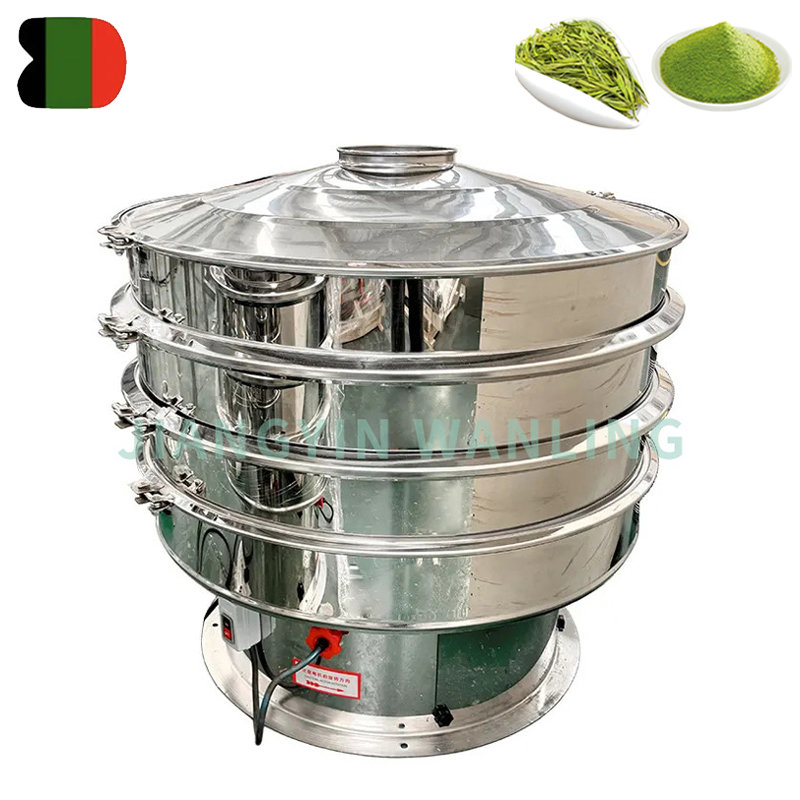
Precision sifting systems
Benefits:
Uniform powder fineness
Improved product consistency
Better downstream processing
Wanling’s grinding and screening equipment helps manufacturers achieve accurate particle size control for different applications.
2. Poor Material Mixing Uniformity
Uneven ingredient distribution can lead to inconsistent formulations and unstable product quality.
Common applications:
Spice blends
Food additives
Pharmaceutical powders
Modern solutions:
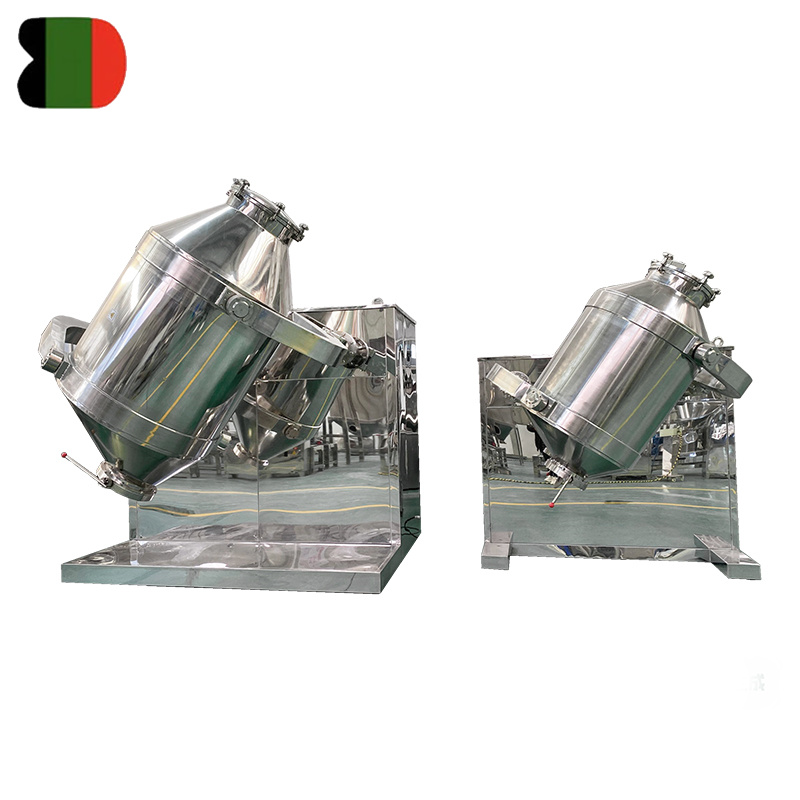
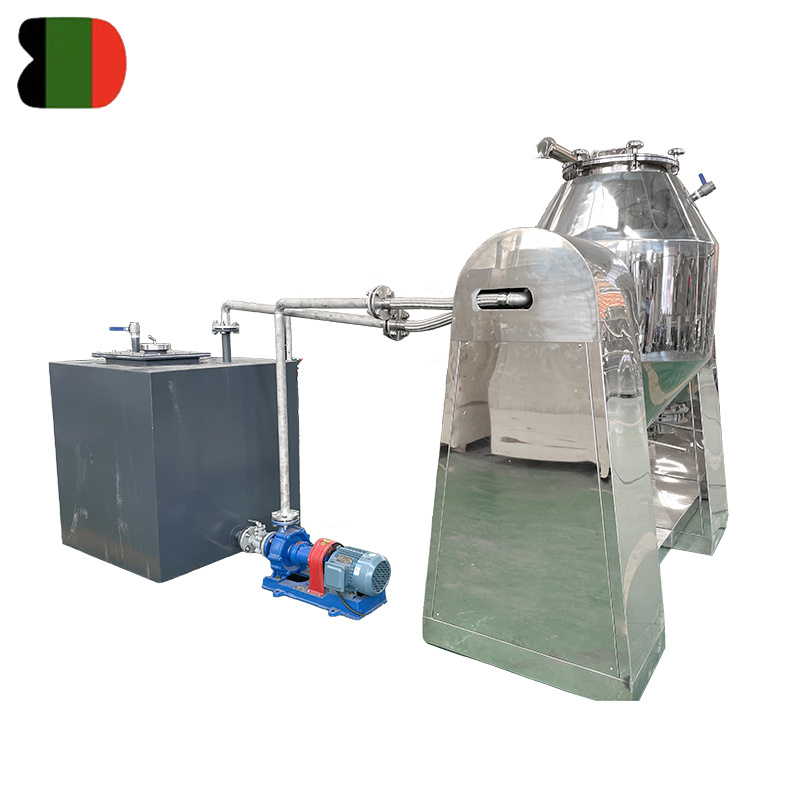
High-efficiency industrial mixers
Customized blending systems
Benefits:
Even ingredient distribution
Stable batch quality
Reduced production errors
Advanced mixing technology ensures every batch maintains the same formulation standards.
3. Excessive Dust Generation
Fine powders can create dust problems during transportation and processing, affecting workplace safety and product cleanliness.
Modern solutions:
Closed conveying systems
Automated feeding equipment
Dust control designs
Benefits:
Cleaner production environment
Reduced material loss
Improved worker safety
Automated powder handling systems help minimize airborne particles during production.
4. Material Flow Difficulties
Some powders have poor flowability, causing blockages and inefficient feeding.
Common issues:
Powder clumping
Uneven feeding
Production interruptions
Modern solutions:
Automated feeding systems
Vibrating sifters
Optimized conveying equipment
Benefits:
Smooth material transfer
Continuous production
Higher efficiency
5. Moisture Control Problems
Incorrect moisture levels can affect powder quality, storage life, and processing performance.
Modern solutions:
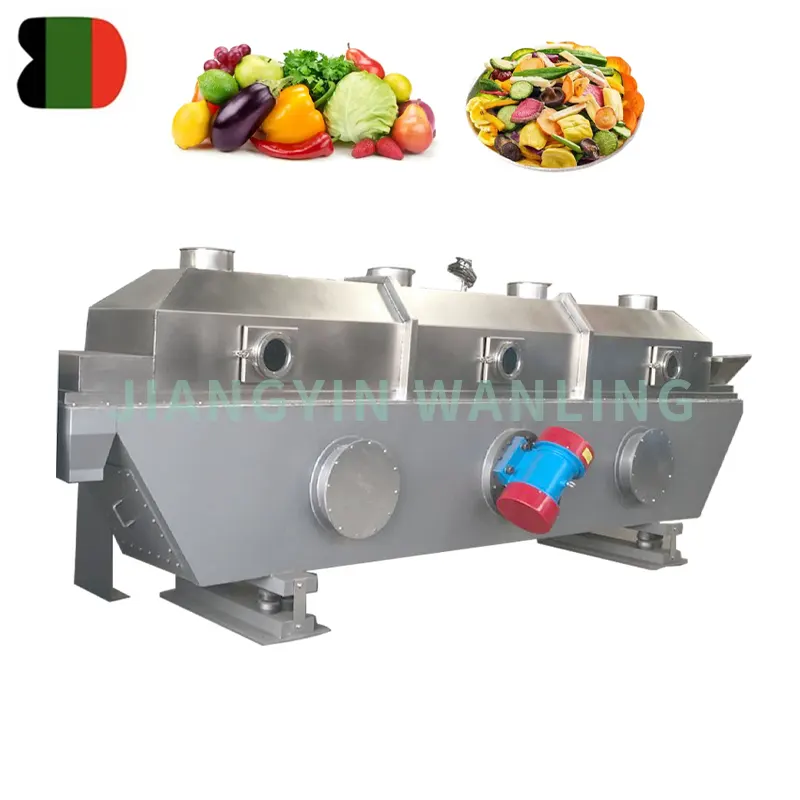
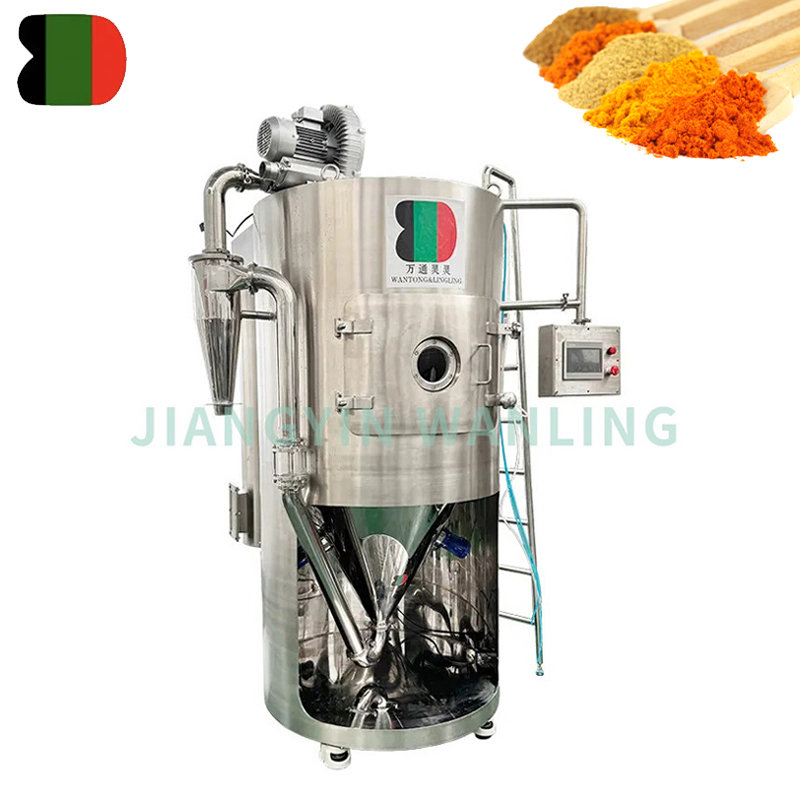
Industrial drying equipment
Controlled temperature systems
Automated monitoring
Benefits:
Stable moisture content
Improved product shelf life
Consistent processing results
Wanling drying solutions help manufacturers achieve accurate moisture control.
6. High Material Waste
Material loss can increase production costs and reduce profitability.
Modern solutions:
Automated feeding systems
Precise processing equipment
Integrated production lines
Benefits:
Reduced raw material loss
Better resource utilization
Improved production efficiency
7. Low Production Efficiency
Manual operations and disconnected machines can slow down production.
Modern solutions:
Complete powder processing lines
Automated conveying systems
Integrated control systems
Benefits:
Faster production speed
Reduced labor requirements
Improved workflow
8. Difficult Equipment Cleaning and Maintenance
Powder residue can affect hygiene and equipment performance.
Modern solutions:
Stainless steel equipment design
Easy-clean structures
Simplified maintenance systems
Benefits:
Better hygiene control
Reduced downtime
Longer equipment lifespan
What Makes Wanling’s Powder Processing Solutions Different?
Core strengths:
Complete powder processing line design
Customized machinery solutions
Crushing, grinding, mixing, drying, and packing integration
Advanced automation technology
Professional engineering support
Jiangyin Wanling International Co., Ltd. designs processing systems according to customer materials, production capacity, and factory requirements to create efficient and reliable powder manufacturing solutions.
FAQ
What industries use powder processing equipment?
Food processing, pharmaceutical manufacturing, chemical production, spice processing, and other powder-based industries.
How can modern equipment improve powder quality?
Modern machinery provides better particle size control, uniform mixing, accurate drying, and stable production conditions.
Can powder processing lines be customized?
Yes. Wanling provides customized production line solutions based on specific materials, processing requirements, and factory layouts.
Conclusion
Powder processing involves many challenges, but modern equipment provides effective solutions to improve efficiency, consistency, and product quality. Jiangyin Wanling International Co., Ltd. offers advanced powder processing machinery and customized production systems that help manufacturers overcome production difficulties and achieve reliable results across food, pharmaceutical, chemical, and spice industries.