The Science Behind Uniform Powder Blending
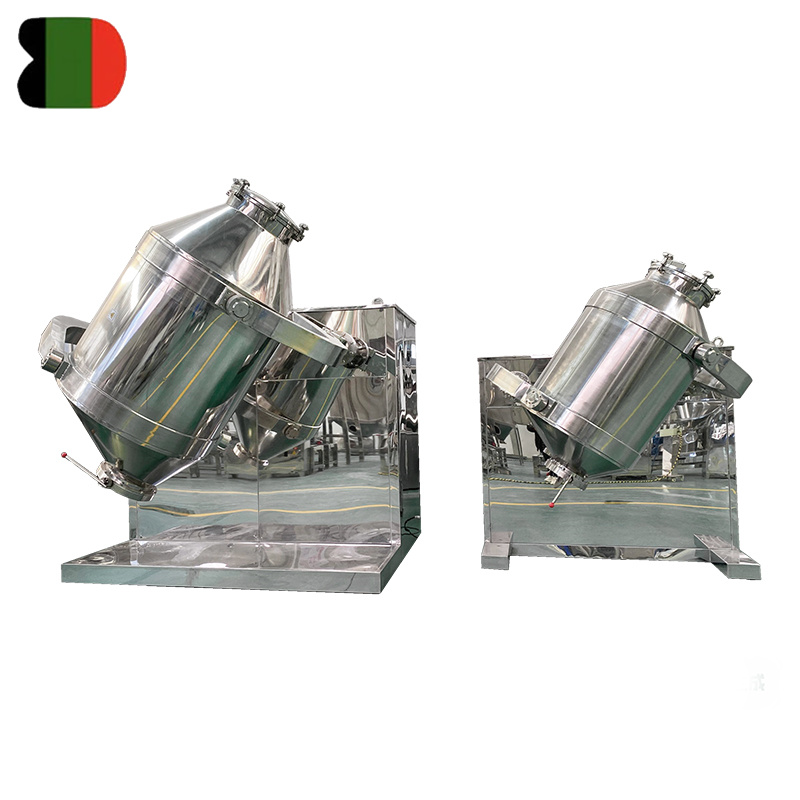
Uniform powder blending is a critical process in food, pharmaceutical, chemical, and spice manufacturing. When different powder ingredients are not distributed evenly, the final product may have inconsistent taste, color, texture, concentration, or performance. Understanding the science behind powder blending helps manufacturers select suitable mixing equipment and optimize processing conditions. Jiangyin Wanling International Co., Ltd. provides industrial mixing and complete powder processing solutions designed to help manufacturers achieve stable and consistent blending results.
Why Uniform Powder Blending Matters
The main purpose of powder blending is to distribute multiple ingredients evenly throughout a mixture. Factors such as particle size, density, shape, moisture content, and material flowability can influence how powders behave during mixing. If these characteristics differ significantly, particles may separate rather than blend uniformly. Proper equipment and process control are therefore essential for producing a homogeneous final product.
1. Particle Size and Distribution
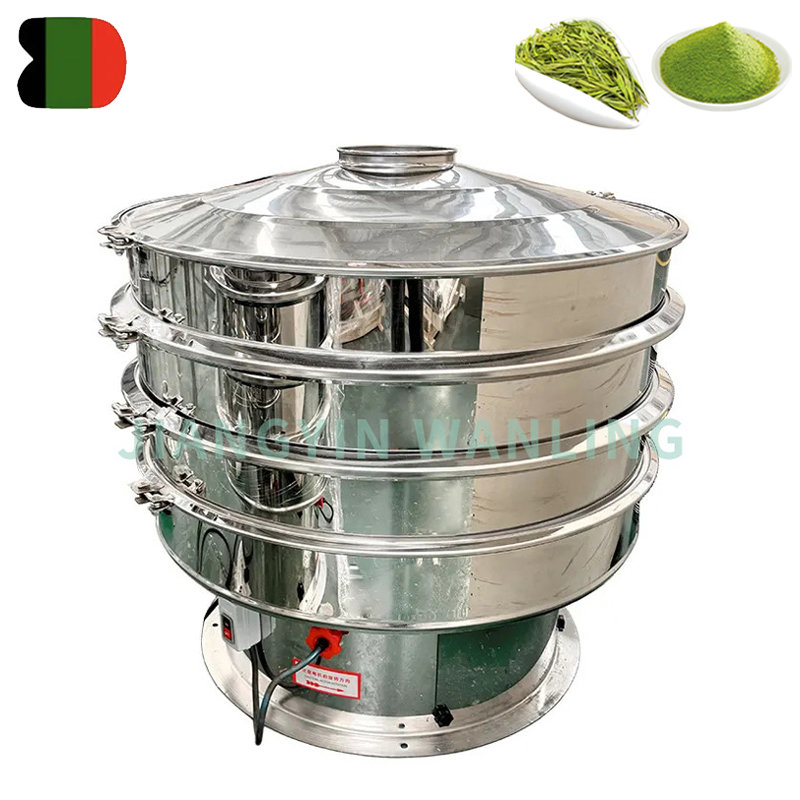
Particle size is one of the most important factors affecting powder blending. Materials with significantly different particle sizes may separate during transportation or after mixing. Fine grinding and effective sifting can help create a more consistent particle size distribution before the materials enter the mixer.
Key considerations:
Particle size
Particle density
Material shape
Powder flowability
Main benefits:
Better ingredient distribution
More stable formulations
Improved downstream processing
Consistent final product quality
Jiangyin Wanling integrates crushing, fine grinding, and sifting equipment with mixing systems to help manufacturers prepare materials for efficient blending.
2. Mixing Time and Speed
Mixing time and rotational speed directly influence blending performance. Insufficient mixing may leave areas with different ingredient concentrations, while excessive mixing can sometimes cause segregation or damage sensitive materials.
Modern industrial mixers allow manufacturers to control mixing parameters according to material characteristics and production requirements. Optimizing these settings helps achieve uniformity without unnecessary processing time or energy consumption.
3. Material Flowability
Powder flowability determines how easily materials move and interact inside mixing equipment. Powders with poor flowability may form lumps or remain in certain areas of the mixer, reducing blending efficiency.
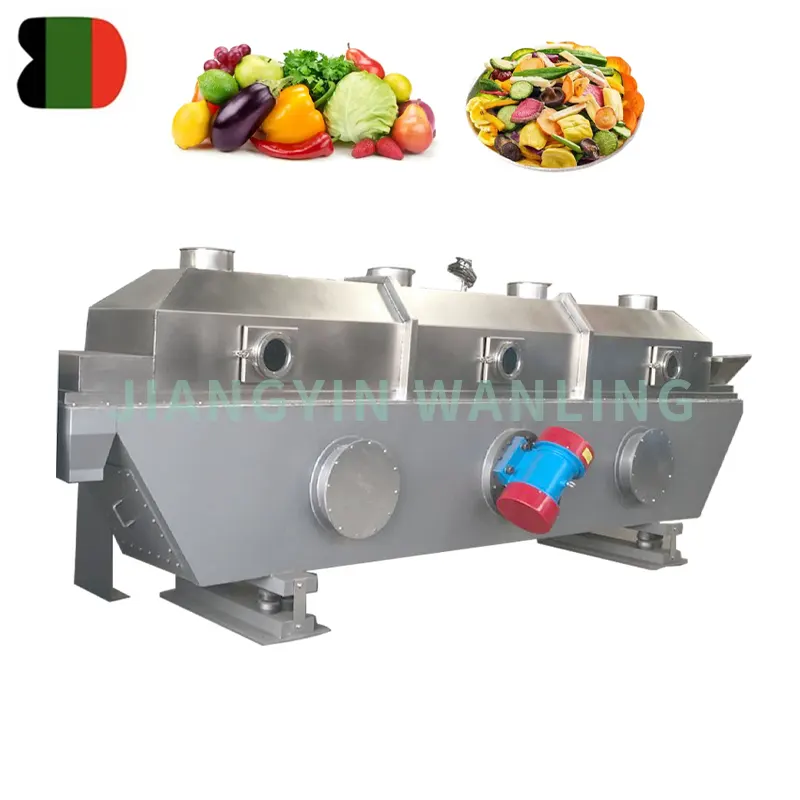
Proper crushing, drying, and screening can improve material flow before mixing. Customized feeding and conveying systems can also ensure that materials enter the mixer consistently, supporting stable production performance.
4. Food Processing Applications
Uniform powder blending is essential for producing consistent food products and seasonings.
Key applications:
Spice blends
Seasoning powders
Food additives
Instant beverage powders
Benefits:
Consistent flavor
Uniform color
Stable ingredient ratios
Improved product quality
Reliable mixing equipment helps food manufacturers ensure that each production batch maintains the desired formulation.
5. Pharmaceutical and Chemical Applications
Pharmaceutical and chemical manufacturers require particularly precise blending because formulation variations can directly affect product performance.
Typical applications:
Pharmaceutical powders
Nutritional supplements
Chemical additives
Industrial formulations
Key advantages:
Accurate ingredient distribution
Stable batch quality
Controlled processing
Reduced formulation errors
Advanced mixing systems provide controlled processing conditions that support consistent results across repeated production batches.
What Makes Wanling's Mixing Solutions Different?
Core strengths:
Customized industrial mixing equipment
Integration with grinding and sifting systems
Complete production line design
Efficient material handling
Professional technical support
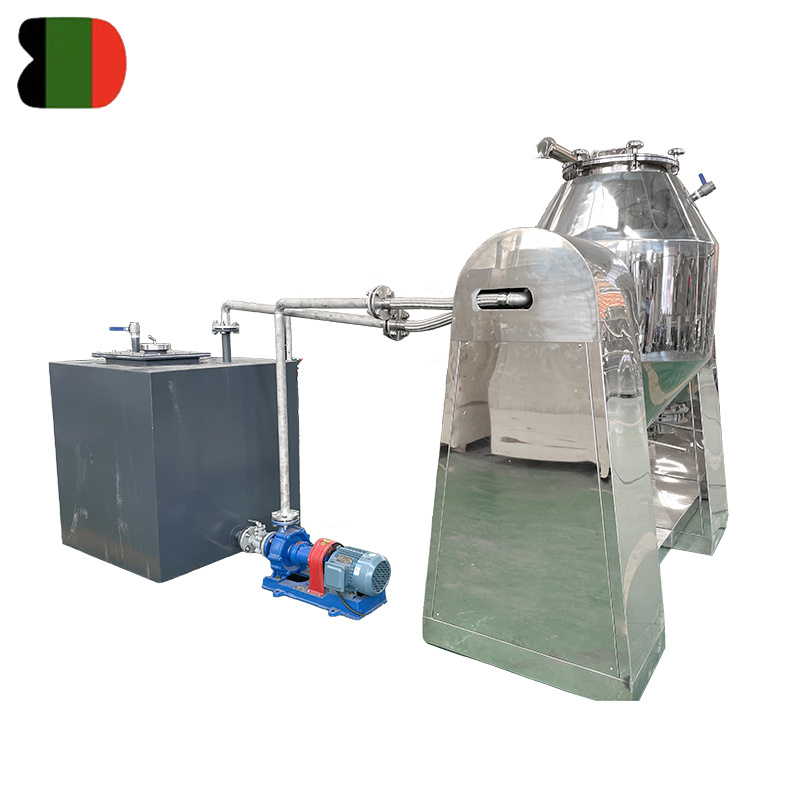
Jiangyin Wanling International Co., Ltd. designs customized processing solutions according to material characteristics, production capacity, and customer requirements. By combining mixing equipment with other processing machines, manufacturers can create a coordinated workflow from raw material preparation to finished product packaging.
FAQ
What affects powder blending uniformity?
Particle size, density, moisture content, flowability, mixing speed, and mixing time can all affect blending uniformity.
Why is particle size important before mixing?
A more consistent particle size distribution can reduce segregation and help ingredients distribute more evenly during blending.
Can Wanling customize powder mixing systems?
Yes. Wanling provides customized mixing machines and integrated production line solutions based on material characteristics, processing requirements, and factory layouts.
Conclusion
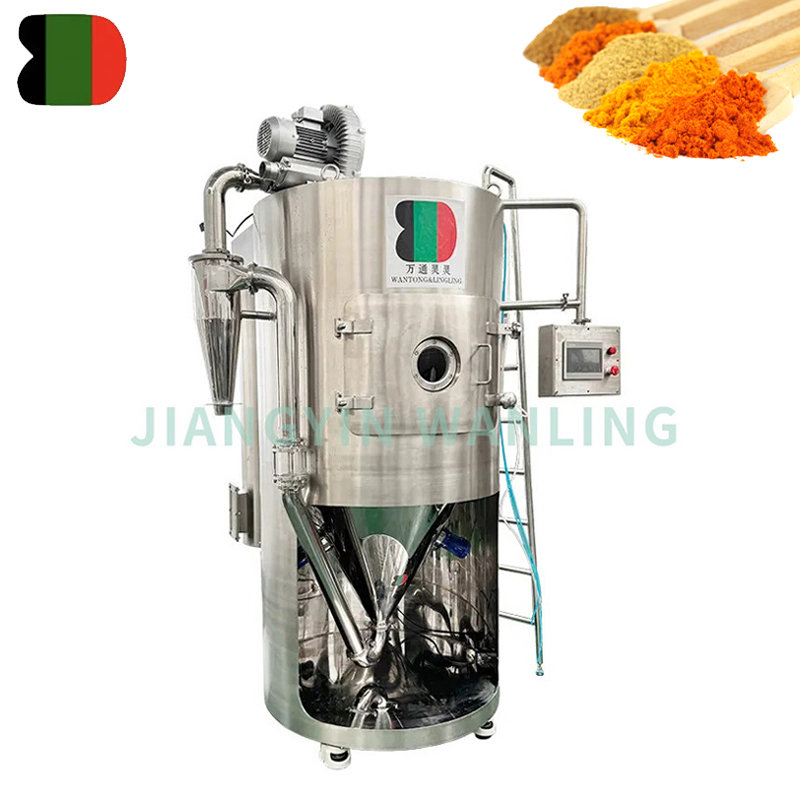
The science behind uniform powder blending involves controlling particle characteristics, material flow, mixing conditions, and equipment performance. Manufacturers that optimize these factors can achieve more consistent formulations, reduce waste, and improve production efficiency. Jiangyin Wanling International Co., Ltd. provides customized grinding, mixing, sifting, drying, conveying, and packing solutions to help food, pharmaceutical, chemical, and spice manufacturers build reliable and efficient powder processing lines.